
The Yellow Brick Road Gets Shorter as We Age: Love, Regret, and Real Connection
A reflective, sharp, and quietly hopeful series on love, aging, regret, and emotional growth. Told through the voice of The Cynical Romantic, this 11-part journey explores relationships, fear, comfort, and what it means to keep choosing love as time becomes more finite.
The Yellow Brick Road Gets Shorter as We Age
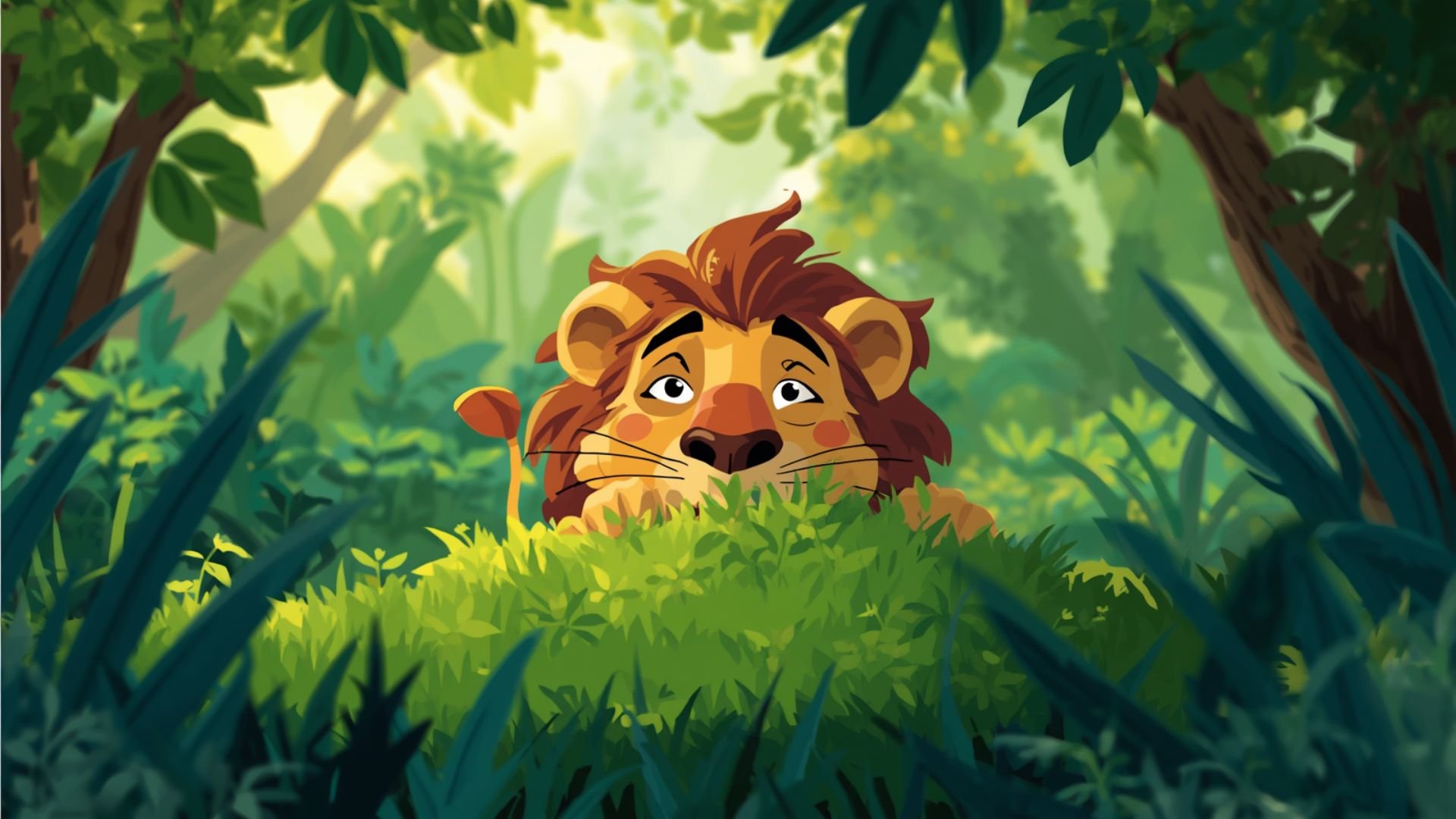
Part 5. The Lion, Courage, and the Terrible Work of Moving On
Somewhere along the yellow brick road, you start to realize courage is much less attractive than advertised.
When I was younger, I thought courage would look dramatic. A speech in the rain. A door slammed with dignity. Some emotionally literate version of a movie scene where I finally said the perfect thing and walked away while the soundtrack did most of the heavy lifting.
At forty-two, courage looks more like not texting back.
The Cowardly Lion wanted courage because he thought he was missing something essential. I understand the instinct. Most of us walk around convinced the missing piece is the thing that would finally make us easy to love, easy to choose, easy to keep. A little courage, a little heart, a little brain, a little less emotional damage disguised as personality.
But moving on teaches you a crueler truth: courage is not the absence of wanting to go back. Courage is wanting to go back and choosing not to make a shrine out of that want.
The Yellow Brick Road Gets Shorter as We Age
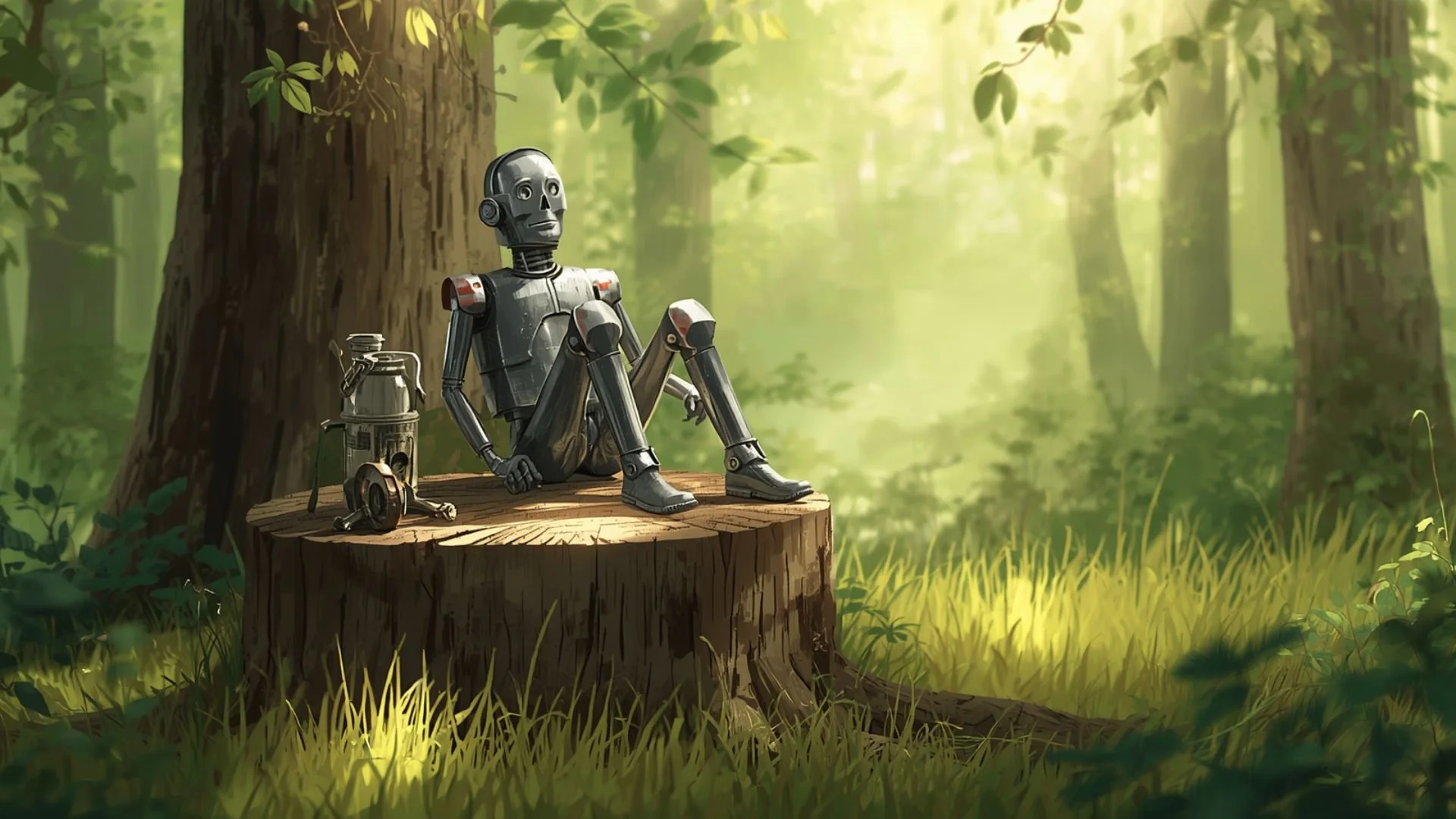
Part 4 The Tin Man and the Maintenance Plan for a Heart
The Tin Man did not need a grand speech.
He needed oil.
Honestly, that explains more relationships than most books in the self-help aisle.
We love to talk about the heart as if it were a dramatic organ. It breaks. It aches. It races. It wants what it wants, which is a phrase people use when they are about to make a decision their friends will discuss in the car afterward.
But in the Tin Man’s part of the story, the heart is not merely romantic. It is mechanical. It can rust. It can stiffen. It can stop moving not because it never loved, but because no one tended it.
That is where this road becomes less magical and more useful.
Finding love is one thing.
Keeping love alive is another.
The Yellow Brick Road Gets Shorter as We Age
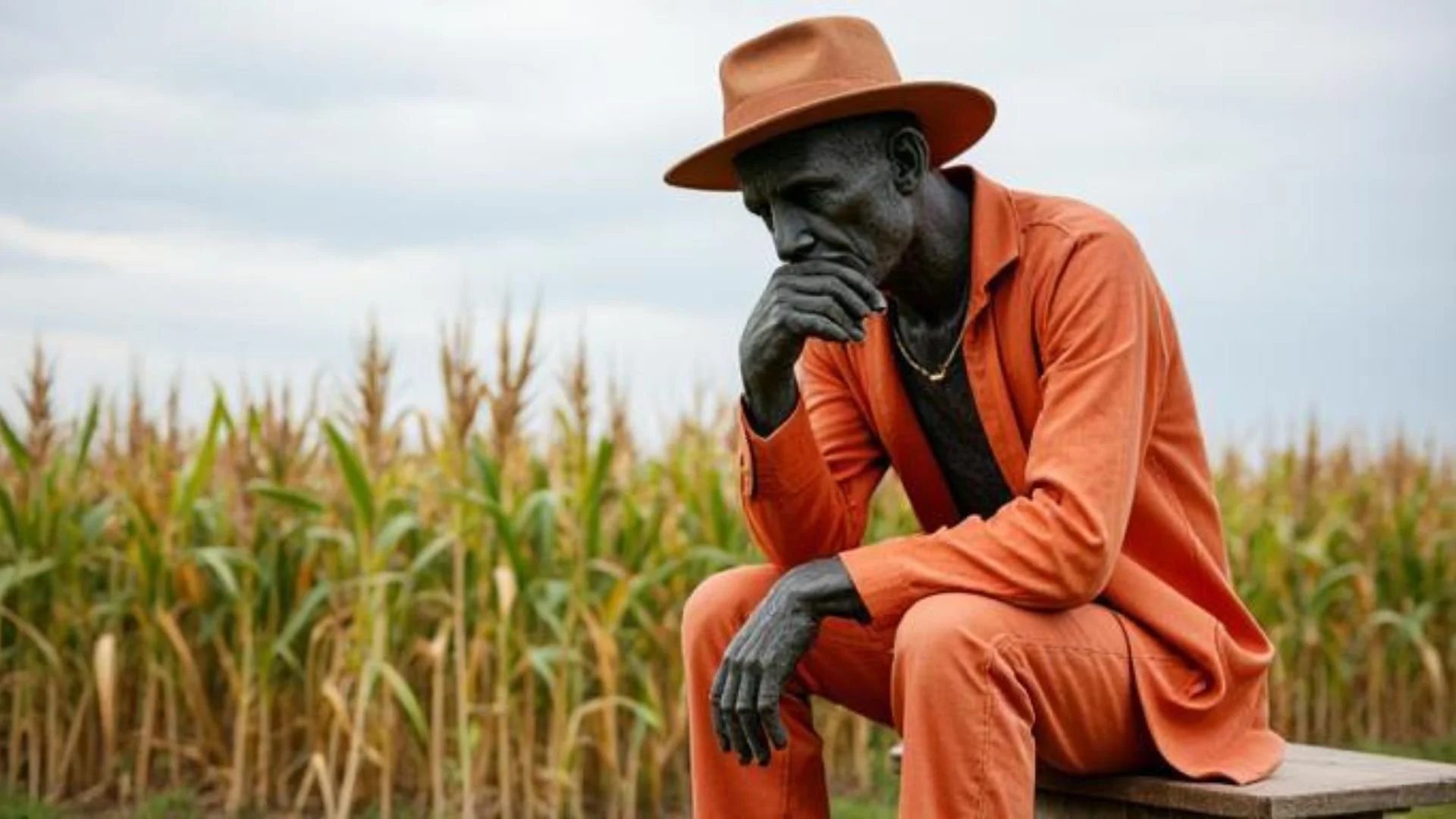
Part 3. The Scarecrow and the Love Lessons We Refused to Learn
Some advice doesn’t make sense until it’s too late to ignore.
We hear it early—about patience, compatibility, timing—but it rarely sticks. Not because it’s wrong, but because we don’t have the context to understand it yet.
This piece explores the gap between hearing wisdom and living it, and why experience has a way of confirming what we once dismissed.
The road teaches in repetition.
And eventually, the lessons land.

The Yellow Brick Road Gets Shorter as We Age
Part 2. Munchkinland, or Youthful Confidence Before the First Bad Relationship
Before reality, there’s always a story.
For most of us, love begins as an idea shaped by movies, books, and just enough experience to make it feel believable. We expect chemistry to carry everything, timing to work itself out, and connection to solve what effort should.
Then life happens.
This post looks at how those early fantasies set us up—not just for disappointment, but for misunderstanding what real love actually requires.
Because the hardest shift isn’t finding love.
It’s letting go of the version of it that never existed.

The Yellow Brick Road Gets Shorter as We Age
Part 1: The Tornado Was Birth, But Nobody Warned Us About Kansas
Emotional Inheritance
How our earliest emotional patterns shape the relationships we build later in life—and why recognizing them may be the only way to change them.
We do not choose the emotional weather we are born into. Before we ever fall in love, we inherit ideas about safety, affection, gender, marriage, silence, longing, duty, and what kind of love we believe we deserve.
Most of us start walking the road before we know we are carrying other people’s maps.

ADHD, OCD and Soulmates Part 5
Hope, for me, used to mean believing in a perfect person who would make all the pain make sense. These days, hope looks smaller and sturdier.
I don’t need a soulmate to validate that I’m worthy. I do, however, still want someone to share the good coffee, the stupid jokes, the quiet evenings, and the occasional existential crisis.

ADHD, OCD and Soulmates Part 4
For years my favorite story about myself was simple: I’m a great guy who just hasn’t met the right person.
It explained everything—bad breakups, messy marriages, why I was always exhausted from trying so hard. Then one day a doctor asked me a few questions and said, ‘Have you considered ADHD?’
Suddenly ‘great guy’ wasn’t the whole picture. That intense devotion? A lot of it was hyperfocus. The grand gestures and fast commitments? Impulsivity in a nice shirt. The panic when someone pulled away? Rejection sensitivity on full blast.
Getting that word didn’t excuse my choices—but it finally explained the script I kept repeating in every relationship.
Sometimes the label doesn’t limit you.
It just explains the chaos.
ADHD, OCD and Soulmates Part 3
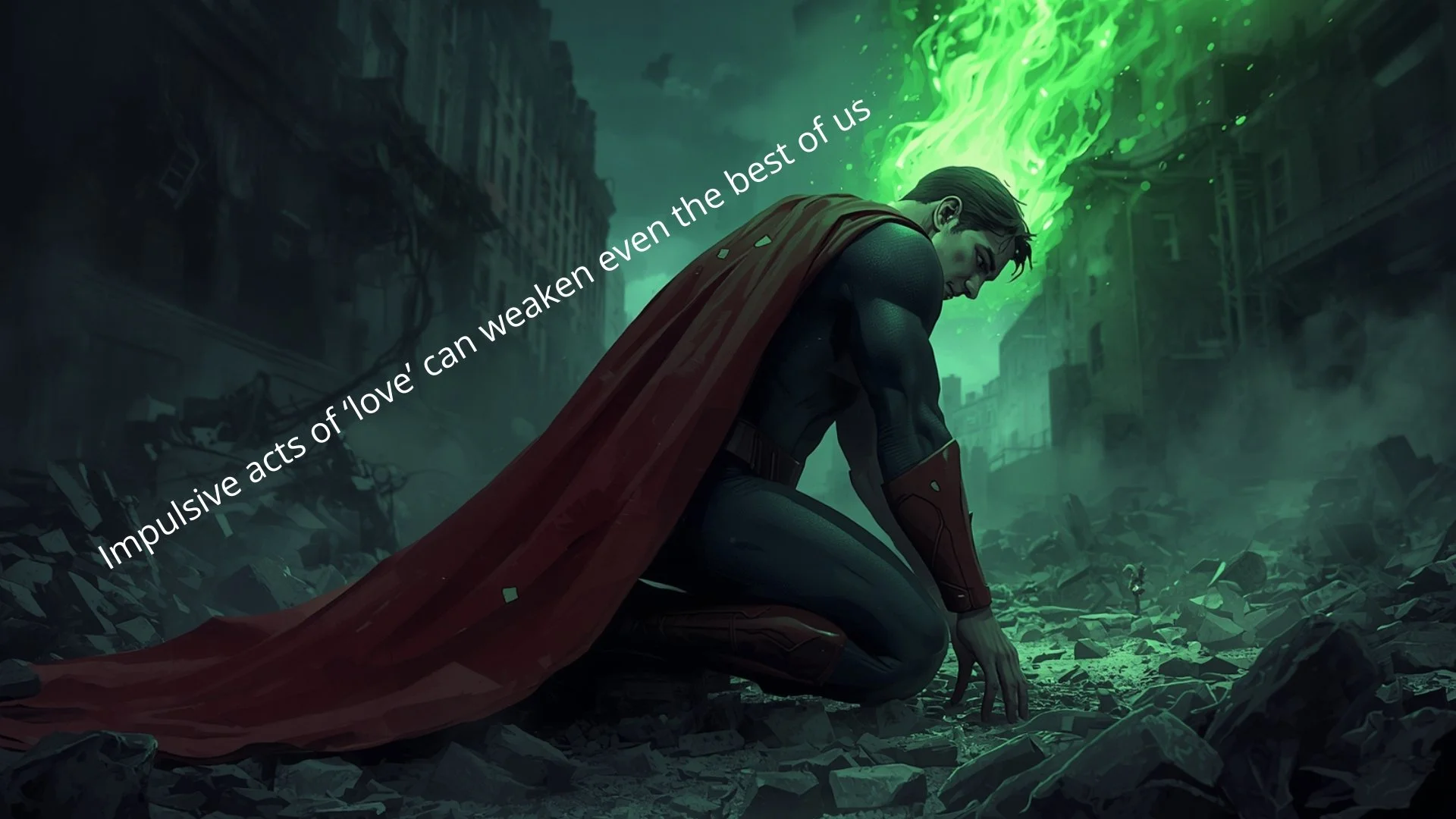
I used to think my love language was grand gestures. Looking back, it was more like crisis management.
When things got tense, my first instinct was to go big: an expensive trip, a huge gift, a massive sacrifice I absolutely couldn’t afford. If I pulled it off, we got a week of peace and I got to feel like the hero.
For an ADHD brain high on limerence, that rush is addictive. You don’t just fix a problem—you save the relationship. You save her. You save your role as ‘the good man.’
The bill always came later: in money, in resentment, in the quiet realization that I was performing love instead of living it.
Being the hero feels powerful—until you realize you’ve never learned how to just be a partner.

ADHD, OCD and Soulmates Part 2
She looked me in the eyes and called me her soulmate.
I didn’t suddenly believe in The One.
I believed in her belief in me.
Within 18 months: married.
New role: provider, fixer, designated hero.
I treated ‘soulmate’ like a job title I had to earn every day.
ADHD hyperfocus on a relationship looks a lot like devotion.
From the outside: ‘What a committed guy.’
On the inside: ‘If I stop trying this hard, I’ll lose everything.’
Pettiness. Jealousy. Double standards.
My gut whispered, ‘Something’s off.’
The soulmate story shouted, ‘This is just a test.’
Guess which one I listened to?
Pull up a chair. Let’s unravel the soulmate story—and see what’s worth keeping.
ADHD, OCD and Soulmates part 1
I never bought into the soulmate myth—I trusted hard work, common sense, and not embarrassing myself. Then a woman called me her soulmate, and all those rules vanished.
This series is my deep dive into that moment and everything that unraveled after.
I’m the Cynical (Yes Still Hopeful) Romantic: late-diagnosed ADHD, a sprinkle of OCD, and a relationship history that makes more sense in hindsight. For years, I chased the role of “someone’s person”—even when my gut said otherwise.
Here, I revisit my first marriage and beyond, sharing what I wish I’d known: how ADHD hyperfocus distorts love, how the hero complex turns romance into overwork, and why certainty makes the soulmate myth so seductive.
This isn’t a lecture—it’s memoir with side notes, a chance to learn from my mistakes so you don’t touch the stove yourself. If you’ve ever ignored a red flag for a good story, you’re in the right place.
Pull up a chair. Let’s unravel the soulmate story—and see what’s worth keeping.

Soulmates or Spring Fever
Your love life isn’t a rom‑com. That’s the bad news. The good news? It doesn’t have to be a horror movie either.
Movies teach us that soulmates arrive with perfect timing, dramatic rain, and a killer soundtrack. They don’t show you the boring Tuesdays, the money fights, or what happens after the big airport chase. So we walk into real relationships expecting Act‑Three fireworks… and panic when we get quiet, awkward, human moments instead. TCR introduces a new 7-part series on Soulmates.

How Dreams Quietly Guide You
A bridge. An island. A shark. And a purple dragon chasing it back into the ocean.
No explanations. No warnings. Just a feeling that something in me was shifting.
If you’ve ever woken from a dream that lingered all day, you know what I mean.
Not mystical. Not predictive. Just… meaningful.

Quirks and quarks
At 5:34 a.m. I woke up thinking about quirks and quarks—and realized they might be the same thing.
The tiny habits we hide often reveal more about us than the grand stories we tell.
Love is built
Modern love sells fairy tales: soulmates, destiny, perfect timing.
But lasting connection usually looks less magical—and far more intentional.
This piece explores the quiet truth: love isn’t found… it’s built.

Love in the Dead of Winter
Love changes like weather — suddenly, dramatically, and often without warning. This five-part LL&S series breaks down spring sparks, summer heat, autumn reckonings, and winter truths. Expect humor, science, vulnerability, and at least one emotional cold front you didn’t see coming.

The Law of Inevitable Chaos
Relationships rarely explode overnight — they drift slowly toward disorder.
Using the physics of entropy, The Cynical Romantic explores how love unravels quietly and why keeping connection alive requires intention, not grand gestures.
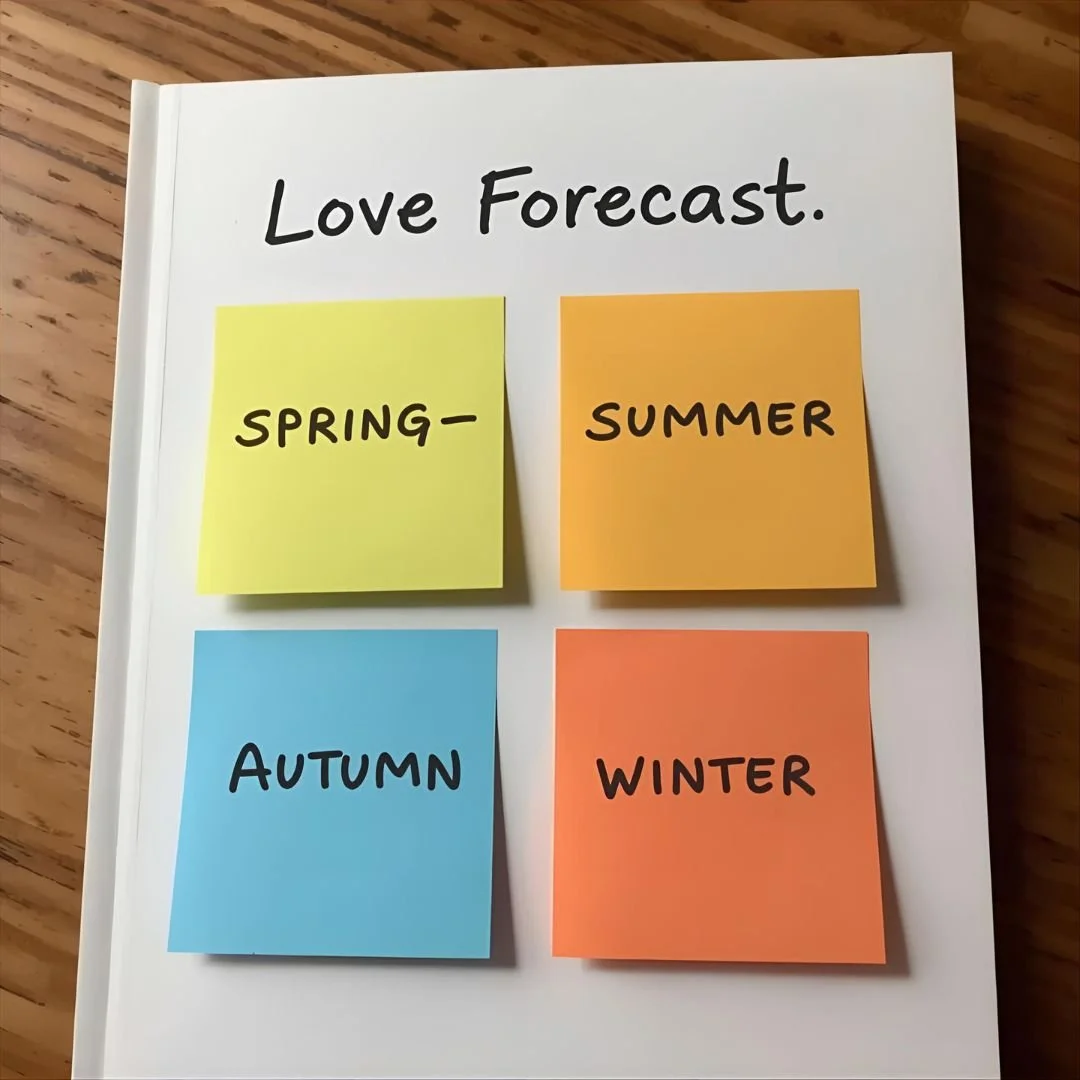
Field Guide to Love’s Seasons
Love has weather patterns: hopeful springs, chaotic summers, honest autumns, and quiet winters.
In this series, The Cynical Romantic tracks the emotional seasons of relationships — and why every heart eventually experiences them all.

Why Newton’s First Law Explains Your Dating Life
Dating inertia is real: we stay stuck in bad relationships or rocket into new ones at dangerous speeds.
The Cynical Romantic uses Newton’s First Law to explain ghosting, dopamine momentum, and the physics of modern romance.