
Field Guide to Love’s Seasons
A Cynical Romantic’s Field Guide to Love’s Seasons
By the Cynical Romantic Where Passion Meets Poor Judgement
Let’s Get the Eye Roll Out of the Way
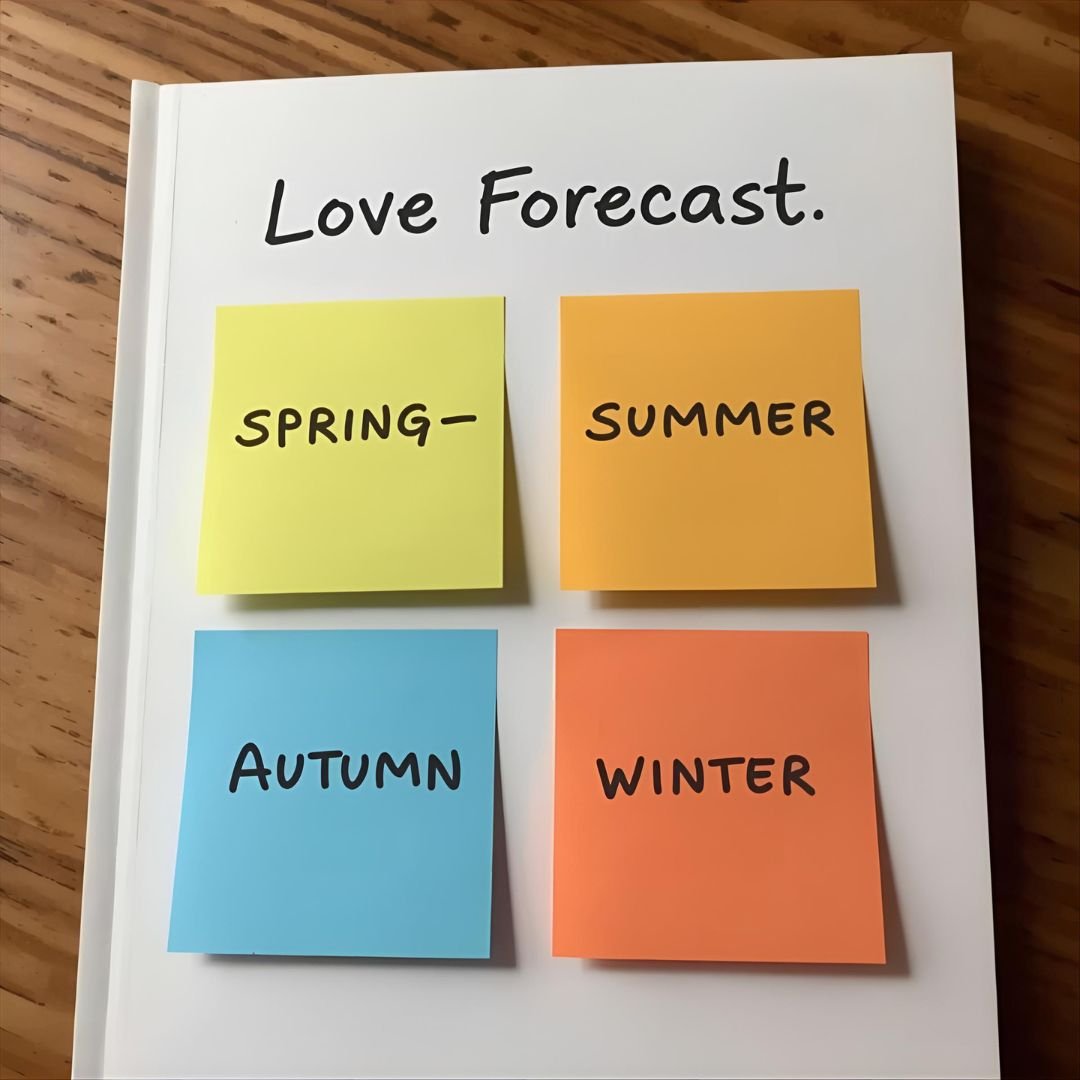
Let’s rip the Band-Aid off: yes, comparing love to the seasons is about as original as a breakup text that starts with “hey.” But clichés survive because they reflect a truth we keep trying to outrun — love really does move in cycles, and sometimes it runs on a climate system more chaotic than my own dating history. Whenever people say “love is a journey,” I hear meteorological sirens in the background. Maybe that’s why I’ve become the reluctant weatherman of romance: I’ve lived through enough emotional hailstorms to read the sky before the first cloud forms. And honestly? If we’re going to drag ourselves through another year of human connection, we might as well admit that the forecast always includes at least a 40% chance of confusion.
The trick is not pretending you’re above the cliché — the trick is using it without letting it use you. Besides, a metaphor only becomes insufferable when it thinks it’s profound. This one is self-aware, snarky, and wearing proper footwear. So yes, we’re doing “love as seasons,” and yes, we’re doing it better.
Love as Climate, Not Just Weather
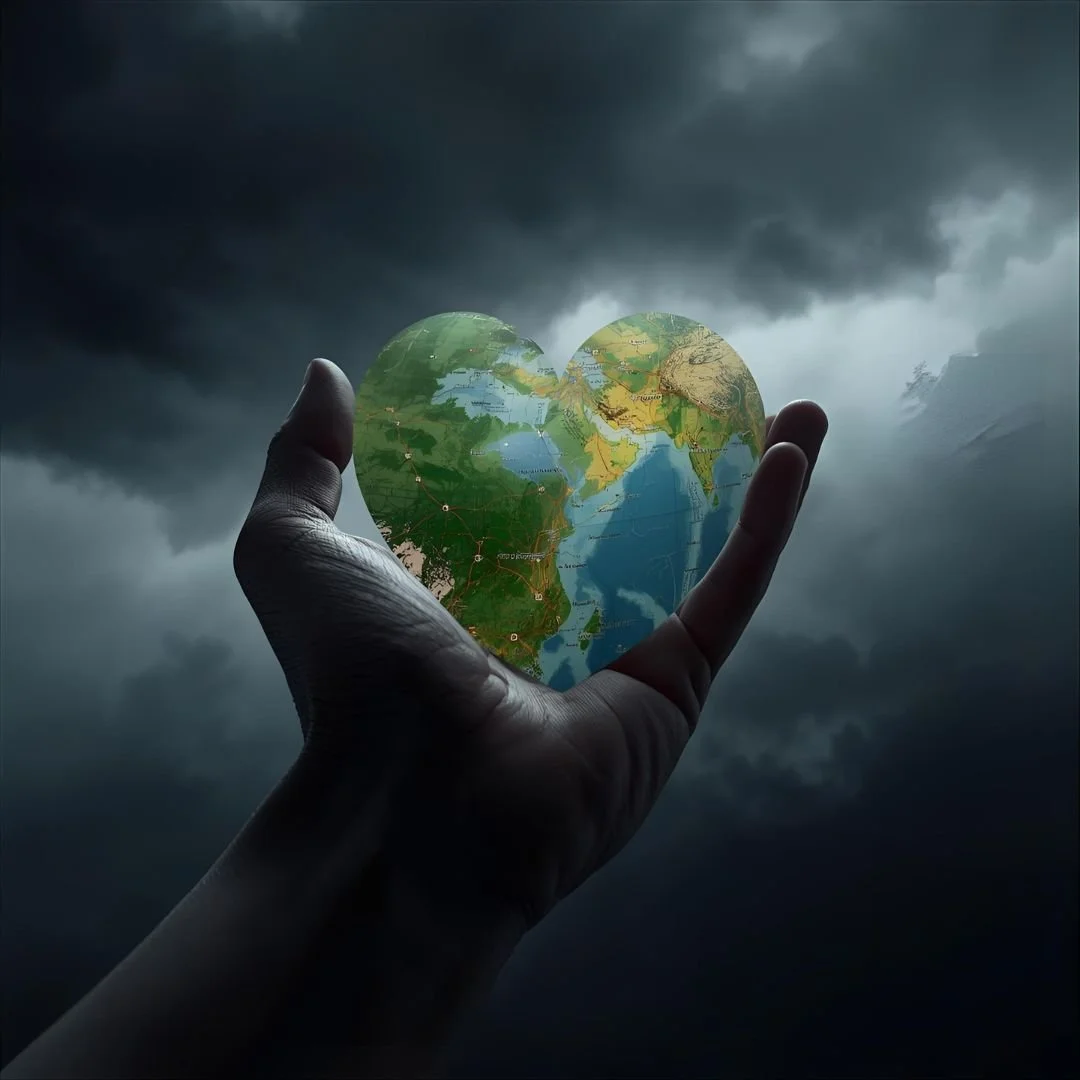
Here’s the thing about love: it’s never just a moment. It’s climate, not weather — long-term patterns, not day-to-day blips. Psychologists who study attachment talk about “emotional baselines”: the predictable rhythms beneath our chaos. It’s why a long-term relationship can survive a minor storm but collapse under a slow erosion of warmth. The American Psychological Association even notes that relational health tends to depend more on “climate stability” than individual fights.
Which brings us to the science: your heart is basically its own ecosystem. Some people create tropical stability — warm, steady, nurturing. Others? A full-blown El Niño in human form. And then there’s my personal favorite microclimate: the person who is warm in the morning, distant by noon, and texting you at midnight like a rogue weather balloon.
If you’ve ever wondered why a relationship felt fine on Monday and catastrophic by Friday, congratulations — you’ve experienced emotional climate change. Someone alert NASA.
Why You Should Keep Reading Anyway
You might be thinking, “Great, another poetic analogy I can’t use on my therapist.” But stay with me. This series isn’t a pastel Pinterest poster wrapped in fake wisdom — it’s more like a sarcastic field guide for people who’ve loved, lost, overthought it, and still signed up again. (Hi. Welcome. Take a seat.)
We’re not stopping at Earth, either. Spring on Mars lasts 190 days. Spring on Uranus lasts 21 years. Somewhere between those extremes lies your last relationship: too long in the wrong places and too short where it mattered. In this series, we’ll talk equatorial relationships (constant warmth), polar partnerships (long winters), and monsoon lovers (hot, dramatic, and likely to ruin your favorite shoes).
Think of me as your romance meteorologist — minus the Doppler radar, but with better emotional accuracy and slightly worse professionalism.
The Four-Part Forecast
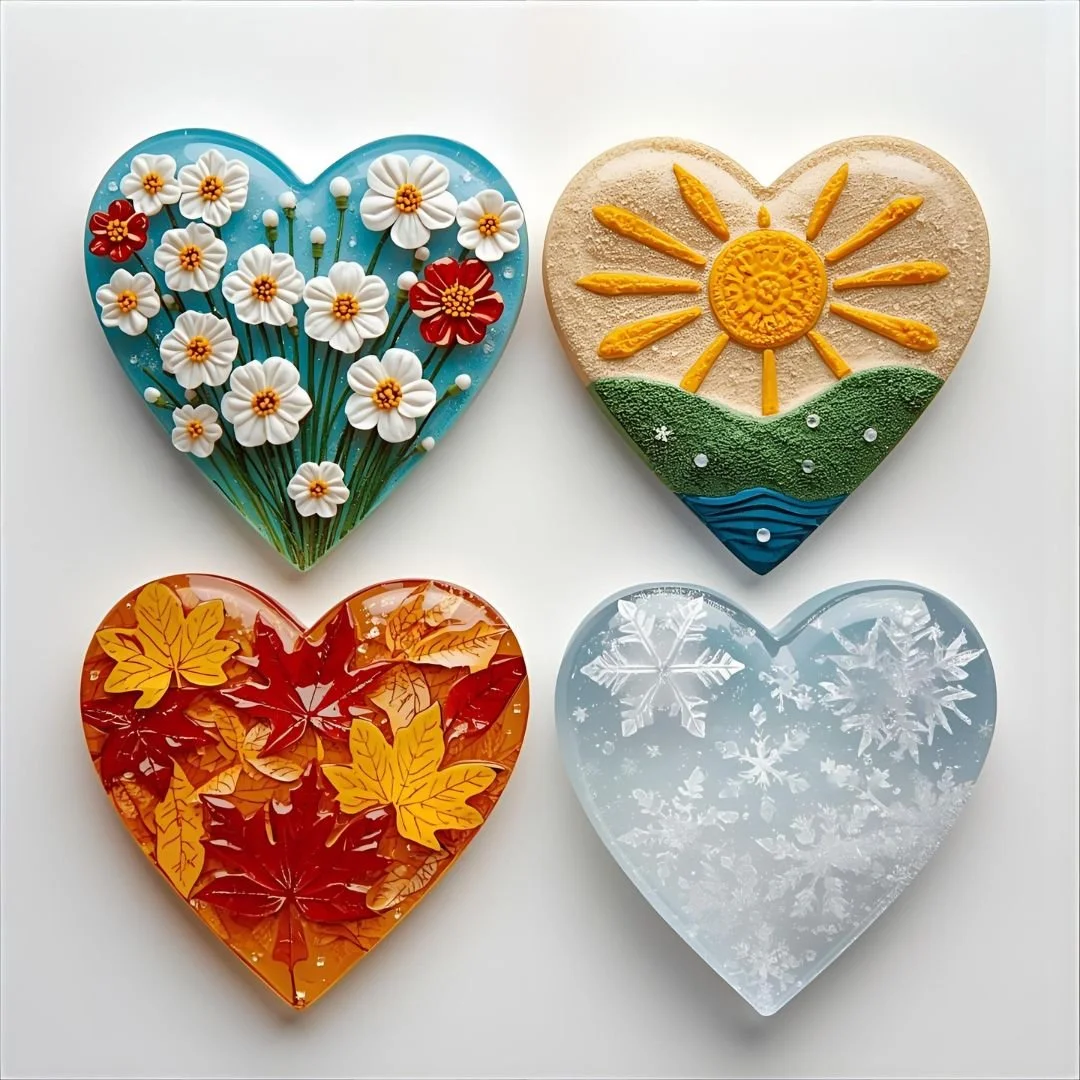
Every season of love teaches a different kind of resilience. Spring brings optimism — the kind that makes you buy fresh notebooks and pretend you’re suddenly emotionally available. It’s the season of blooming promises and delusions. Summer is the heatwave that convinces you passion is personality. It’s thrilling, it’s bright, and it’s wildly unsustainable without hydration (literal and emotional).
Autumn? That’s where truth shows up. The lighting changes, and suddenly you see each other clearly: the quirks, the fractures, the “oh wow, that wasn’t a joke, that was a worldview.” It’s where real connection either deepens or politely disintegrates. Winter, though… winter is the question. Do you still believe warmth is possible? Or are you preparing for hibernation until further notice?
Each season brings beauty, destruction, and a tiny existential crisis — which, ironically, is what makes love worth studying at all.
Closing Forecast
Love will always surprise you — sometimes delightfully, sometimes like a low-pressure system nobody predicted because someone wasn’t paying attention. The best we can do is pack an emotional umbrella, stay curious, and keep learning from the weather patterns that shaped us. And if you’re feeling brave, maybe even dance in the emotional rain instead of sprinting for cover like a startled housecat.
This forecast is just the beginning. The Cynical Romantic will be back next Wednesday with Spring: The Forecast Calls for Flirtation, where we’ll discuss why new love makes us temporarily deranged and why pollen counts are the emotional metaphor nobody asked for but everyone secretly relates to.
Subscribe before the next cold front hits. Trust me — you’ll want advance warning.
