
The Yellow Brick Road Gets Shorter as We Age
Love, Regret, and Real Connection
Part 5. The Lion, Courage, and the Terrible Work of Moving On
Somewhere along the yellow brick road, you start to realize courage is much less attractive than advertised.
When I was younger, I thought courage would look dramatic. A speech in the rain. A door slammed with dignity. Some emotionally literate version of a movie scene where I finally said the perfect thing and walked away while the soundtrack did most of the heavy lifting.
At forty-two, courage looks more like not texting back.
It looks like deleting the thread even though you already know the number by heart. It looks like driving past a place that used to mean something and refusing to slow down like a man giving a historical tour of his own poor decisions. It looks like making dinner for one without turning the whole evening into evidence.

The Cowardly Lion wanted courage because he thought he was missing something essential. I understand the instinct. Most of us walk around convinced the missing piece is the thing that would finally make us easy to love, easy to choose, easy to keep. A little courage, a little heart, a little brain, a little less emotional damage disguised as personality.
But moving on teaches you a crueler truth: courage is not the absence of wanting to go back. Courage is wanting to go back and choosing not to make a shrine out of that want.
A shrine needs to be visited repeatedly. You do not just remember it once and move on like a well-adjusted person in a commercial for fiber supplements. You go back. You put flowers on it. You light a candle to warm the cold little room where poor choices and lost loves have been sitting together, waiting for you to confuse nostalgia with destiny.
My most recent visit to that shrine came in the form of my college sweetheart, because apparently Facebook was not content merely to ruin civic discourse. It also wanted to see what would happen if two people who had once loved each other at twenty-one stumbled back into each other’s lives with twenty-one years of distance, selective memory, and just enough unfinished business to make the whole thing feel meaningful.
We laughed. We romanticized. We remembered the meet-cute, the late-night conversations, the intoxicating belief that no one had ever understood either of us the way we understood each other. We talked about the choices we had made, the partners we had picked, the cost of getting it wrong. We began to wonder, with the confidence only middle-aged people can bring to a bad idea, whether we could simply start again where we had left off.
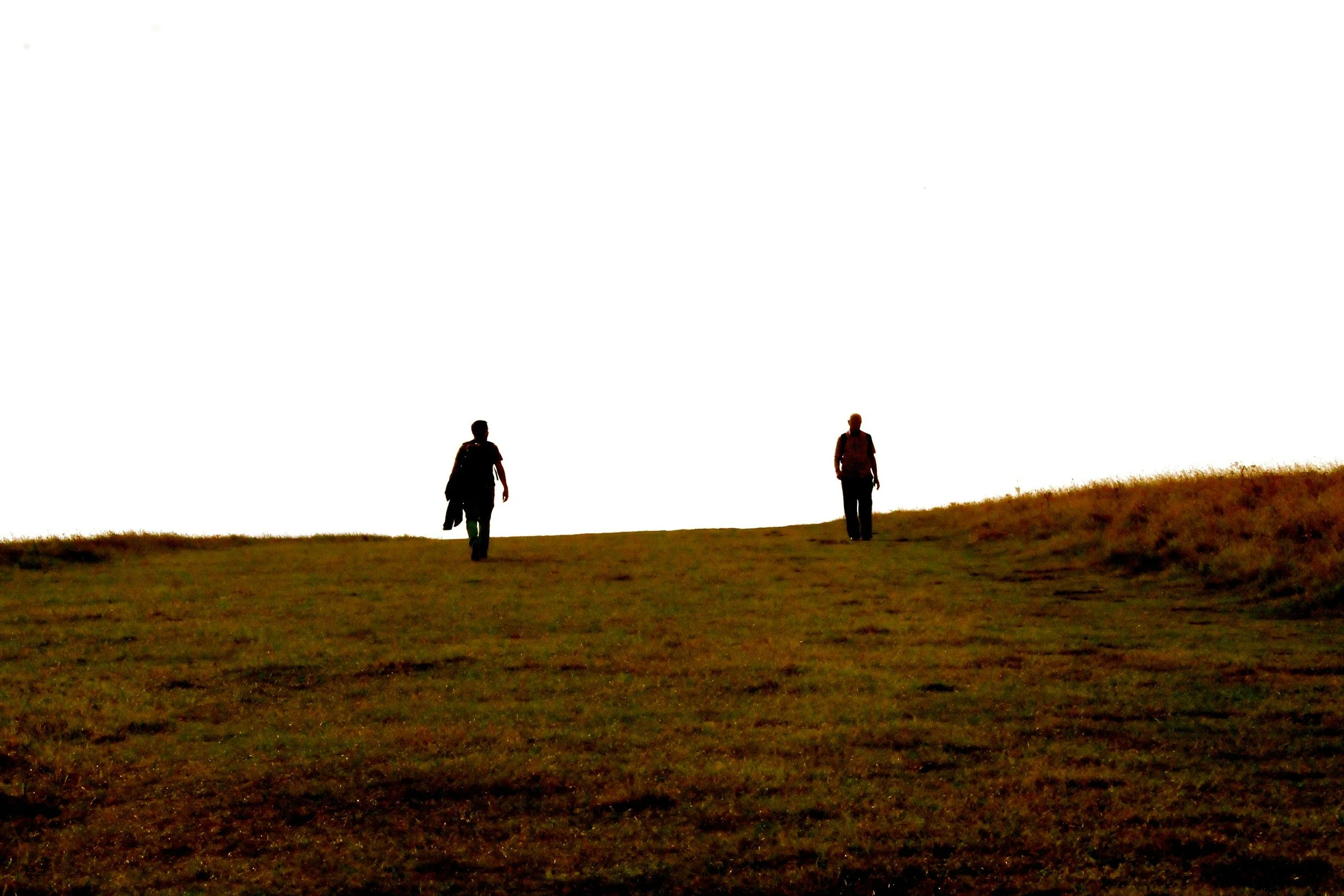
I can see it now, of course. Twenty-one years had gone by. I could have raised an adult in that amount of time, or at least kept a Ficus alive long enough to feel morally superior. But in the glow of possibility, those years became fog. I told myself I was wiser, more settled, more emotionally available, which is exactly the sort of thing a man says right before proving he owns neither a map nor a flashlight.
For six weeks, we tried to make the old story fit our current bodies. It was not pretty. She still did not really get my humor. I had forgotten how serious everything could become in her orbit, how often I felt edited before I had even finished the sentence. She had built a legal career full of achievement and recognition. I had built a career out of trying to figure out what I wanted to build. I had a vision of who I might become, which is useful, unless you are using it to distract from the facts of who you are today.
The chemistry was not imaginary. That would have been easier. I respected her. I was attracted to her. There were parts of the old connection that still knew how to stand up and make a convincing speech. But the quieter truth was waiting behind all of it: I did not particularly like being with her anymore.
There it was again, my parents’ unglamorous little commandment, tapping on the glass: make sure you like the person you fall in love with. I had dressed up longing as fate, attraction as evidence, and unfinished business as a second chance. But liking someone is less theatrical than all of that. It is whether you can breathe around them. Whether your humor has a place to land. Whether the person in front of you feels like home or like an audition you keep failing.
After six weeks, the thing ended with a whimper, which is humiliating only because I had clearly been hoping for an orchestra. We both saw the lost connection. We both passively said goodbye. We have not spoken since. I eventually left Facebook altogether, partly because the platform had become a rummage sale of everyone’s worst opinions, and partly because it was easier to sever the whole noisy social thread than risk seeing her name appear like a weather alert from the past.
There is a particular humiliation in grieving something that was not working. Nobody talks about that enough. It would be simpler if every ending came with a villain, a smoking crater, and a clean moral. Instead, many of them arrive with receipts from restaurants you liked, jokes that still work, and a version of yourself you almost trusted.

That is the terrible work of moving on. Not just losing the person. Losing the future you had quietly decorated around them.
And if you are anything like me, you do not surrender that future gracefully. You negotiate with it. You revise it. You imagine alternate endings with the desperation of a man trying to make a bad investment sound visionary. You think, maybe if I had said it differently. Maybe if I had waited longer. Maybe if I had been less myself, or more myself, or whatever version of myself would have finally unlocked the door.
Then one day you realize the door was not locked. It was just not yours.
My parents once gave me the least glamorous relationship advice in recorded history: make sure you like the person you fall in love with. At the time, I probably nodded like a son receiving wisdom while actively planning to ignore it. I was young. I had cheekbones, optimism, and no meaningful respect for maintenance.
Now I hear that advice differently. Liking someone is what remains after the spectacle leaves the room. It is what you need when the grand gesture breaks, when the glass is on the floor, when the apology has to become a broom instead of a speech.
Courage is admitting when there is no broom coming.
It is not bitterness. Bitterness is easy. Bitterness gives you a chair, a drink, and a full legal team in your head. Courage asks you to stand up without a closing argument. Sometimes it asks you to admit that the relationship did not fail because the timing was cruel or the universe misplaced your file. Sometimes it failed because the two people involved had become real enough to stop being mythological.

So you move. Not heroically. Not consistently. Some days you move emotionally; other days you move only because you have errands and society frowns on lying face-down in a Target aisle. But you move.
And eventually, you discover that the Lion was never brave because he stopped being afraid. He was brave because he kept walking while afraid, which is irritatingly less cinematic and much more useful.
Moving on is not a betrayal of what mattered. It is proof that something mattered and did not get to destroy you.
That may not be a roar.
But some mornings, it is enough.
The Cynical Romantic’s Road Note
Courage is not moving on because you stopped caring. Courage is moving on because caring cannot be the only qualification for staying.
Question for the Reader
What have you had to leave behind, not because it stopped mattering, but because staying would have cost too much?
Next Tuesday
We keep walking into the darker part of the road, where lions, tigers, bears, and old fears start sounding suspiciously like wisdom.
