
The Gold Standard for OCD Therapy
ERP, The Gold Standard for OCD Therapy (And Why Letting Go Feels Like Standing Near an Open Window)
My Learning Journey
I have used my blog, Love, Lies and Scandals, as a buffer. A late diagnosis with both ADHD and OCD has been both a blessing and a curse. Some days are more difficult than others, because shame, and "what-if's" have a way of sneaking in during those quiet moments, when all seems right. I was treated for ADHD first, with a combination of CBT and medication. OCD has been harder to understand and, truth be told, harder to face. So, I wrote this post differently than my other posts. Short, rapid thought bursts in order to subdue my emotions. It worked for the most part. So please excuse the look and the lack of professionalism when reading this post. I believe it is accurate for me, and hopefully beneficial for you. And I've not said this much, but I appreciate you taking the time to read it.
ERP: The Therapy That Teaches You to Not Obey Your Own Brain
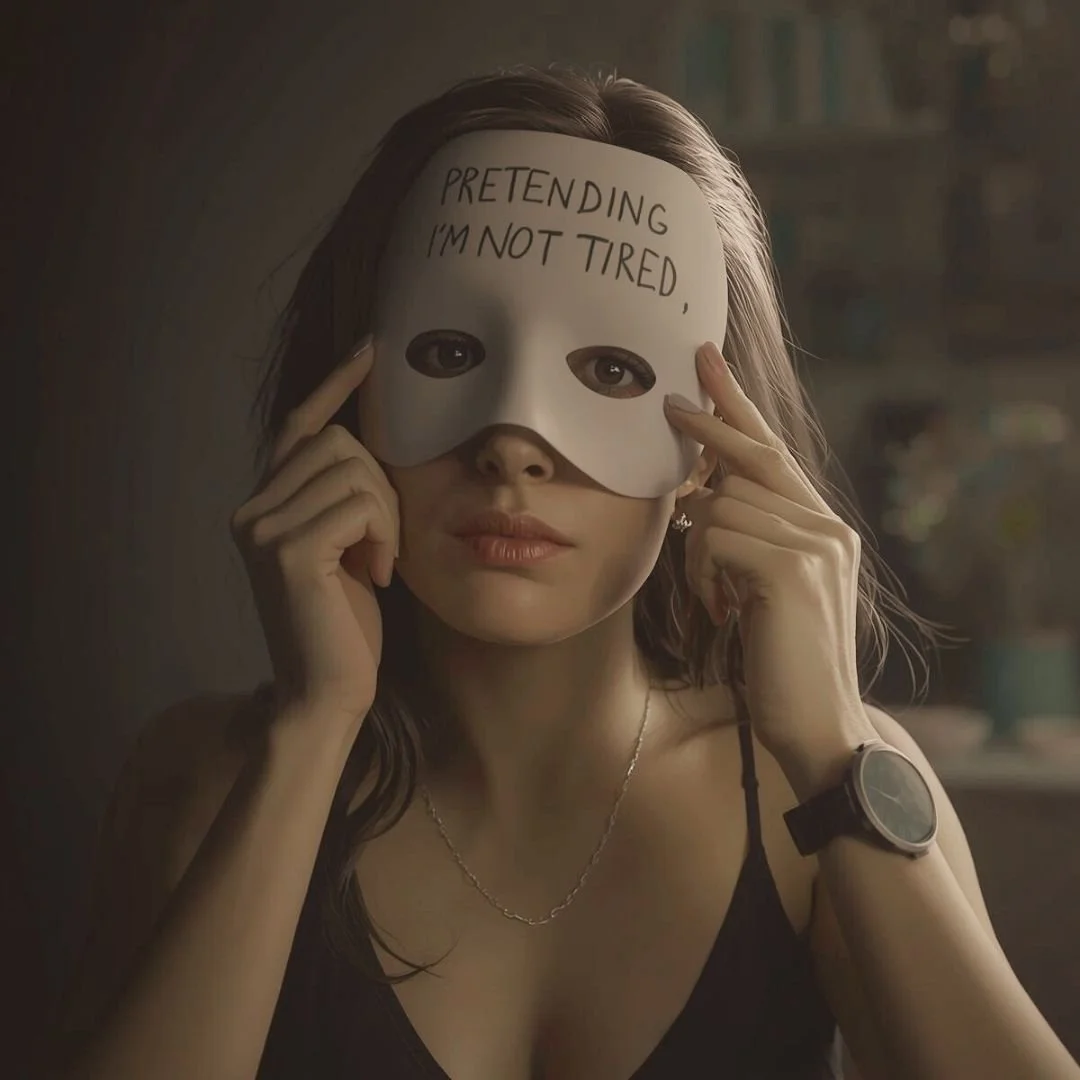
Let me say this upfront, before anyone gets twitchy:
OCD is not about being neat.
Or liking lists.
Or alphabetizing spices for fun.
OCD is about fear — loud, convincing, relentless fear — dressed up as “logic.”
Exposure and Response Prevention, or ERP, is widely considered the gold standard for OCD treatment . And not because it makes the fear go away. It doesn’t.
It works because it teaches something far more unsettling:
You can feel afraid… and do nothing about it.
No checking.
No reassurance.
No rituals disguised as “just in case.”
ERP doesn’t comfort your brain.
It asks you to disappoint it.
Which, for the record, feels just wrong the first dozen times.
Why OCD Feels So Convincing (And So Personal)
Here’s the cruel magic trick OCD pulls off.
It doesn’t shout nonsense.
It whispers possibilities.

“What if you missed something?”
“What if this means something?”
“What if you’re wrong… and this time it matters?”
And the worst part?
It sounds like you.
Your values.
Your morality.
Your desire to not hurt anyone, screw anything up, or become “that person.”
ERP teaches you to recognize the lie hiding in the concern:
certainty is not safety.
You don’t defeat OCD by proving it wrong.
You defeat it by refusing to play.
That distinction took me years to accept — and I still resent it a little.
Why Reassurance Feels Loving (But Isn’t)
Reassurance is sneaky.
It feels supportive.
It feels soothing.
It feels like relief.
But to OCD, reassurance is a reward.
Every “You’re fine.”
Every “That wouldn’t happen.”
Every mental replay to make sure you meant what you said…
That’s not peace.
That’s compliance.
ERP teaches you to tolerate the discomfort instead — to let anxiety rise, peak, and fall without interference.
Which sounds empowering…
until you’re sitting alone with your thoughts thinking, Wow. This is deeply uncomfortable and I do not care for it.
Still — that’s where freedom starts.
Quietly. Unceremoniously. Without applause.
The Exhaustion No One Warns You About

Living with OCD is like being on call 24/7 for emergencies that never happen.
It’s mentally expensive.
The hypervigilance.
The constant scanning.
The invisible negotiations you make just to get through a normal day.
And when burnout hits, it doesn’t look dramatic. It looks like:
decision paralysis
emotional flatness
irritability you don’t recognize as your own
wanting silence but fearing what your thoughts will say
Here’s the truth I needed someone to say out loud:
You are not weak for being tired.
You are tired because you’ve been brave without backup. And it is hard to listen to someone when they call me 'brave' for handling my OCD, that I ignored most of my life.
ERP doesn’t remove the fatigue overnight.
Compassion helps you stop judging yourself for having it.
And yes… that part made me emotional in therapy. A good therapist has a way of making you cry.
The Moment I Realized I Wasn’t “Careful” — I Was Scared

There was a long stretch of my life where I called my OCD “being responsible.”
Careful. Thoughtful. Prepared.
I told myself I was just thorough.
But the truth was uglier — and kinder.
I wasn’t being responsible.
I was afraid of being wrong.
ERP didn’t make me reckless.
It made me honest.
It showed me that my need for certainty wasn’t wisdom — it was fear wearing a badge.
And learning to let that fear exist without obeying it?
That’s still one of the hardest things I’ve ever done.
Some days I manage it well.
Some days I don’t.
But now I know the difference.
And that matters more than being perfect ever did.
📚 Sources & Recommended Reading
Professional Research & Clinical Sources
International OCD Foundation — ERP Treatment Overview
https://iocdf.org/about-ocd/treatment/erp/Mayo Clinic — Obsessive-Compulsive Disorder Treatment
https://www.mayoclinic.org/diseases-conditions/obsessive-compulsive-disorder/diagnosis-treatmentVerywell Mind — How ERP Works for OCD
https://www.verywellmind.com/exposure-and-response-prevention-2510542
Suggested Books
Freedom from Obsessive Compulsive Disorder — Jonathan Grayson, PhD
Brain Lock — Jeffrey M. Schwartz, MD
The Mindfulness Workbook for OCD — Jon Hershfield & Tom Corboy
LL&S–Aligned Product Picks
ERP-focused therapy workbook
Mindfulness meditation app
Noise-canceling headphones
Weighted blanket
Stress-relief fidget tools (adult design)
Sleep mask + white noise combo
Daily grounding journal
