
The Hard Parts No One Warns You About
(And How to Get Through Them Together)
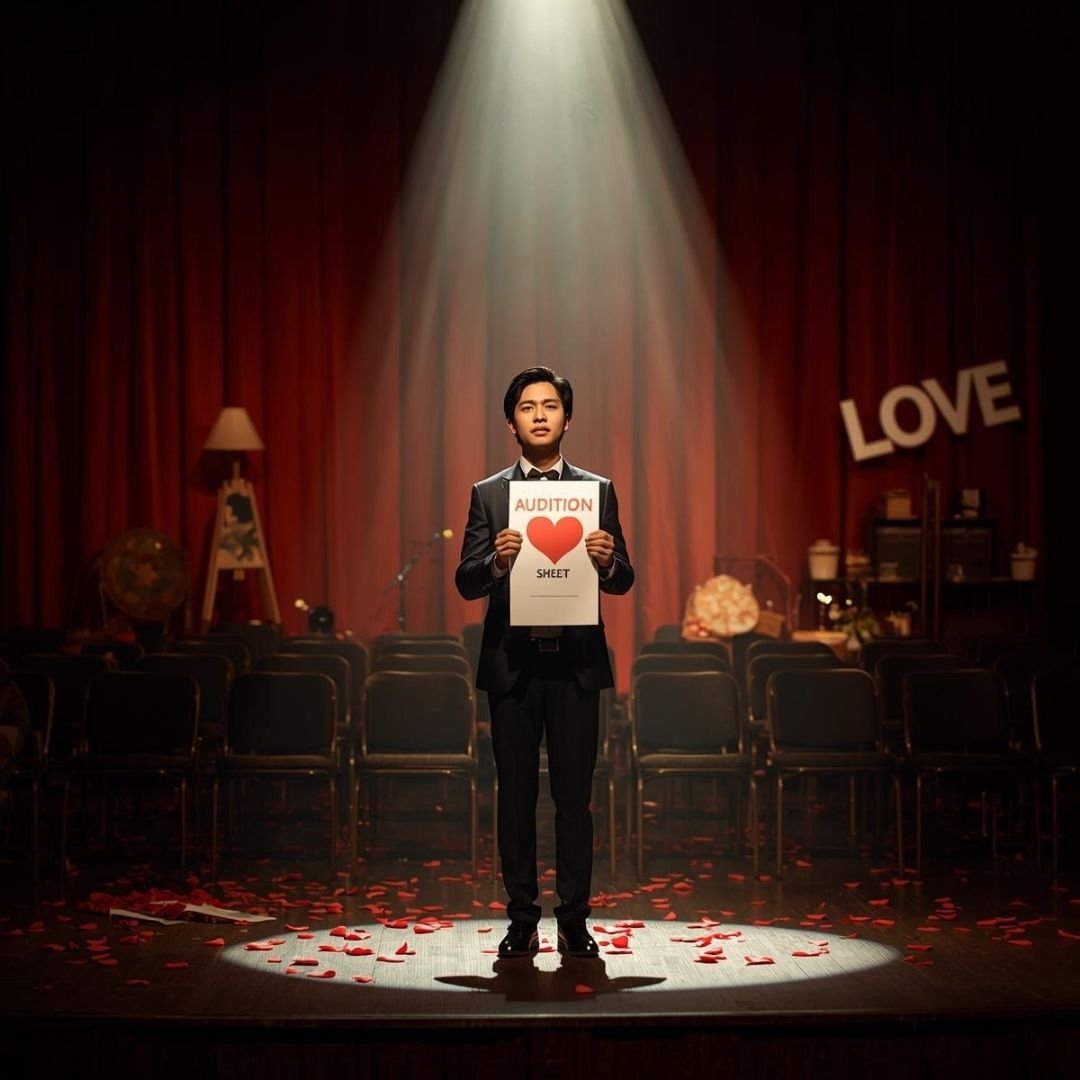
Relationships: sometimes they’re romantic, sometimes they’re a dramatic sitcom with guest stars like ADHD and OCD. If only we got a manual with a “skip to the plot twist” feature. But while love brings joy, it also brings a cast of challenges that are rarely part of the highlight reel. Let’s laugh, learn, and get real about the bumpy roads that neurodiversity and mental health can create in our love lives. (And yes, quoting Chandler Bing is always allowed.)
But here’s my confession as The Cynical Romantic: not every audition for a co-star ends with a happy contract. When the right partner fails to appear—or maybe I never recognize them at all—the result isn’t just a broken heart; it’s a kind of cynicism that sets in deep. It colors every “maybe this time” with doubt and every “let’s try again” with a cautious side-eye. Yet, I keep showing up for the casting calls, still hoping for a rewrite in my own love story.
ADHD Isn’t a Plot Twist — It’s a Relationship Dynamic
ADHD in a relationship is less of a plot twist and more like a recurring character: unpredictable, lovable, and often the reason you’re late to brunch. Partners may find themselves on a rollercoaster of forgotten anniversaries, endless projects, and the classic “Wait, what were we talking about?” moment. Research from the American Psychological Association highlights that ADHD can contribute to increased misunderstandings and emotional misfires in relationships, but it also brings unique strengths like creativity and spontaneity (Wymbs & Molina, 2021). As actor Jim Carrey once joked, “Behind every great man is a woman rolling her eyes.” In ADHD relationships, eye-rolling is practically a love language.
I’ll admit: Sometimes it feels like I’m left behind at the station, watching the ADHD train speed on. When the right partner doesn’t board with me, the gap widens. That’s when the “Maybe it’s just me” thoughts creep in, and the cynic’s armor gets a fresh polish. But I keep hoping someone will finally sit next to me, ticket in hand, ready to ride out the chaos.
When OCD Joins the Dating Profile
Just as you’re hitting your stride with ADHD, OCD swipes right and brings a few new quirks to the table. Imagine meticulously planned date nights—right down to the napkin color. OCD can mean repeated checking or a need for things to be “just so,” which can put unique pressures on communication and intimacy. A study in the Journal of Anxiety Disorders notes OCD’s impact on relationship satisfaction and the importance of open conversation and patience (Abramowitz et al., 2013). But hey, at least you’ll never lose your keys. As comedian Maria Bamford puts it, “My anxiety is like an edgy improv group—always coming up with new scenarios I hadn’t considered.”

Cynicism can be a side effect of feeling like you’re just “too much” for someone else’s comfort zone. The wrong match turns quirks into dealbreakers, and you start to believe you’ll never find anyone who can see past the rituals. Still, I tell myself: one day, someone will find the beauty in the order and the humor in the chaos. And the excitement and passion of the impulsivity.
Hypersexuality & Emotional Impulsivity
If you thought things couldn’t get more interesting, welcome to the world of impulsivity and hypersexuality. These traits can turn a quiet Thursday into a soap opera—think passionate declarations, sudden romantic getaways, or, sometimes, arguments over pineapple pizza. These patterns often stem from the same neurodiverse roots as ADHD and OCD, making it crucial for both partners to recognize when spontaneity crosses into rocky territory. Self-awareness and gentle humor (plus the occasional “Did we really just do that?” debrief) go a long way.
Every time a relationship flames out because of a moment’s impulsivity, the cynicism grows. My romantic history sometimes reads like a list of “did I really do that?” episodes, with heartbreak as the season finale. Yet, the hope for a sequel never disappears, even if I’m tempted to change the channel.
The Oversharing Phenomenon
Emotional impulsivity’s cousin, oversharing, loves to drop by during dinner parties. You’ll find yourself sharing your childhood nicknames or your entire medical history with people you just met. While it can make for memorable conversations, it sometimes leaves your partner clutching their drink, wondering what you’ll say next. The good news? Oversharing means you’re being authentic—even if it’s occasionally mortifying.
There’s a special kind of heartbreak that comes from feeling “too much”—too open, too exposed—when the wrong partner isn’t willing to see the real you. Each awkward silence chips away at trust, making you wonder if you should just keep your stories to yourself. But the Cynical Romantic in me keeps believing that somewhere out there, there’s a listener who won’t flinch at the details.
My Vulnerable Line (Hold On, I’m Being Brave)
Vulnerability is where the magic—and the sweat—happens. Sharing your deepest fears or wildest hopes is brave, especially when neurodiversity is involved. Sometimes it feels like you’re standing on a stage, hoping for applause but dreading a chorus of “yikes.” The key? Be willing to say, “This is hard for me”—and trust that your partner will hold the line with you. Every honest moment brings you closer, awkward silences and all.
But sometimes, the applause never comes. You hear only echoes and see empty seats. That’s when cynicism tempts you to stay backstage forever. Still, I keep stepping into the spotlight, hoping one day I’ll find someone in the audience who claps loudest for my bravest ( and dumbest) lines.

The Takeaway for Partners
Here’s the not-so-secret recipe: empathy, teamwork, and a good sense of humor. Relationships that thrive with ADHD, OCD, and friends are built on trust and the willingness to say, “We’ll figure this out—together.” Celebrate the wins, forgive the slip-ups, and remember: every great love story has a few plot twists.
And for those of us still searching, still skeptical, and still tender-hearted? I believe that even if the road is littered with heartbreak and doubt, it’s worth taking—because trusting in love, again and again, might just be the bravest thing we ever do.
References
Wymbs, B. T., & Molina, B. S. G. (2021). “ADHD and Relationships.” American Psychological Association . [URL]>
Abramowitz, J. S., Khandker, M., Nelson, C. A., Deacon, B. J., & Rygwall, R. (2013). “The impact of obsessive-compulsive symptoms on marital adjustment.” Journal of Anxiety Disorders , 17(4), 427–441.
