
Soulmates or Cognitive Bias?
Part 3 of the 7 Part Series on Soulmates
What Psychology Says About “The One”
At some point, after the second “you’re my soulmate” ended in a lawyer’s office, I stopped blaming fate and started side‑eyeing my own brain.
It’s not that I stopped being a romantic. I still believe in deep connection, ridiculous chemistry, and the kind of eye contact that should come with a warning label. I just finally asked the question nobody wants to ask when they’re floating on soulmate fumes:
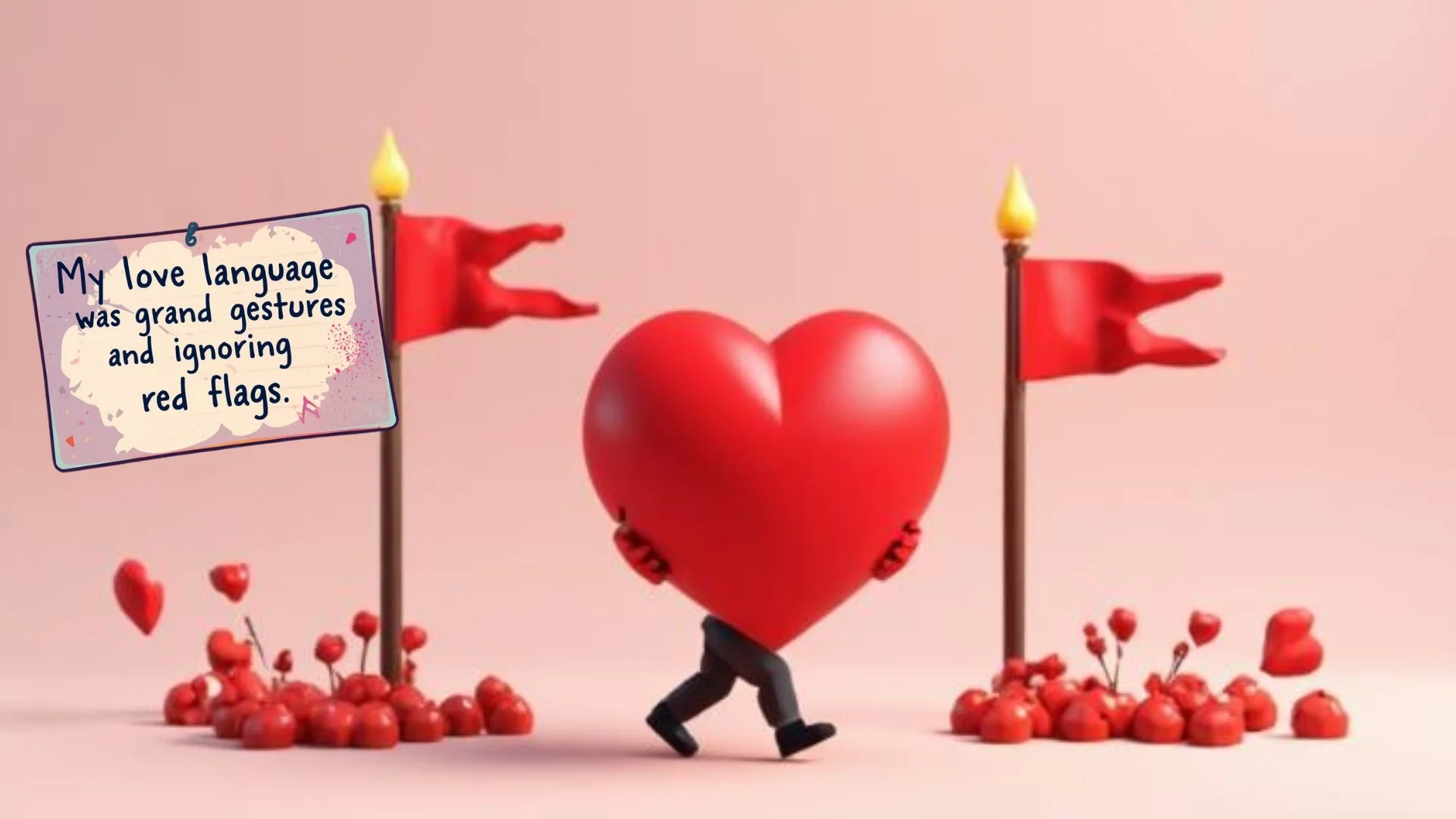
What if this isn’t destiny?
What if it’s psychology?
In this part of the series, we’re leaving myths and poetry behind and dragging the soulmate idea into the therapist’s office. No incense, no love potions—just how our brains and beliefs quietly script the whole “meant to be” story long before anyone says, “I think you’re my forever.”
Destiny vs growth: the belief that sneaks under the word “soulmate”
Psychologists talk about “implicit theories of relationships”—meaning the basic assumptions you carry around about how love should work. You may never say them out loud, but they’re driving the car.
One of the biggest splits is this:
Destiny beliefs: There is one right person for me. The right relationship should feel easy and natural. If we’re meant to be, we’ll just click.
Growth beliefs: Relationships are built. Even good matches have rough edges that need work, communication, and repair over time.
Soulmate thinking is destiny belief with glitter on it. “The One” is practically the mascot for “If it’s hard, it must be wrong.”
When you’re high on destiny, early friction feels like an omen. A disagreement on date three? A different communication style? Chemistry that’s not instant‑fireworks? That little voice whispers, “If this were my soulmate, it wouldn’t feel like this.”
So instead of asking, “Can we resolve this?” a lot of people quietly slide into, “Guess you’re not it,” and move on. We call it ghosting and lack of effort, but underneath is often a simple script: My real soulmate wouldn’t be this much work.

The irony? Long‑term couples who report the most satisfaction usually lean more growth than destiny. They still care deeply about connection, but they don’t expect perfection on delivery. They expect to learn each other—over months, years, and multiple rounds of “Wait, that hurt, can we talk?”
Soulmate myth: If it’s meant to be, it’ll be easy.
Reality: If it’s meant to last, it’ll be work.
Attachment styles: how your soulmate script gets wired early
Now let’s mix in attachment.
Your attachment style—how you bond, fear, cling, or avoid—forms in early relationships and shows up in your love life wearing perfume and holding a drink. When it meets the soulmate myth, things get…interesting.
A quick, simplified tour:
Anxious attachment: “Will you leave me?”
These folks often cling to the soulmate story like a seatbelt. If you’re my soulmate, you won’t abandon me. The label becomes security: “We’re meant to be, so I’m safe.” Until conflict hits. Then the same belief can flip: “If we were really soulmates, you wouldn’t hurt me,” which makes normal human imperfection feel catastrophic.Avoidant attachment: “Will you smother me?”
Avoidant partners can romanticize a hypothetical perfect soulmate while keeping real people at arm’s length. They’re more likely to say things like, “If it’s real, it will just flow,” while “flow” suspiciously looks like not having to be vulnerable. They may keep hunting for a mythical person who requires no emotional risk.Fearful‑avoidant / disorganized: “I crave you and I fear you.”
For this style, soulmate intensity can feel like home—chaotic, all‑consuming, hot‑and‑cold. The more dramatic and unstable, the more “fated” it can seem. If your nervous system was trained on inconsistency, a calm, steady partner feels boring; the walking red flag feels like destiny.Secure attachment: “We can talk about it.”
Secure folks might enjoy soulmate language, but they treat it as a poetic bonus, not a contract. They’re more likely to say, “I feel like you’re my person,” and still show up for the boring work: communication, compromise, staying when it’s uncomfortable but healthy.
So when someone says, “I just know they’re my soulmate,” it’s worth asking:
Is that intuition…or is that my attachment history getting nostalgic?
Cognitive biases: the brain tricks that feel like fate
Humans are pattern‑spotting machines. That’s great for surviving in the wild and terrible for surviving dating apps.
Here are a few ways your brain helps turn “interesting person” into “ordained by the universe”:
1. Confirmation bias
Once you decide, “This is my soulmate,” you start collecting evidence.
They like the same obscure song? Soulmate.
Same favorite movie? Soulmate.
Both had a rough childhood? Definitely soulmates.
You notice every similarity, every “sign,” and quietly ignore the incompatibilities: money habits, conflict style, emotional availability, values. It’s not lying—it’s unintentional cherry‑picking. You’re building a case for what you want to believe.
2. Patternicity and “signs”

Our brains hate randomness. We’d rather believe the universe is sending carefully curated messages than accept that sometimes, things just…happen.
So you meet someone three times in one month, run into them at a random coffee shop, and your brains says, “Obviously fate.” Maybe. Or maybe you live in the same neighborhood and both like caffeine.
We do this with numbers, songs, dates, fortune cookies, you name it. The more primed you are for soulmate thinking, the more every coincidence feels like a cosmic nod.
3. Narrative bias
We’re story‑driven creatures. “We met on a random Tuesday and slowly decided to commit” does not sound like the epic you want to tell at brunch. “From the moment I saw them, I knew” does.
So we edit, exaggerate, and rearrange memories to make a cleaner story: a meet‑cute, a sign, a moment everything “clicked.” We’re not usually lying; we’re compressing a messy reality into a good narrative.
The problem arrives later, when real life stops matching the story. Because in the story, soulmates don’t fight about dishes, sex, money, whose family is more annoying, or why someone never texts back on time.
Why spring fever makes all of this worse
Now layer spring on top of all this.
The days get longer. People go outside more. Bodies are less covered. There’s a rush of energy that feels a lot like hope, lust, and possibility—plus, if we’re honest, a little panic about not wanting to spend another summer alone watching couples share appetizers.
In that cocktail, your destiny beliefs, attachment patterns, and cognitive biases don’t calm down; they pregame. You’re more likely to:
Overread chemistry as destiny.
Downplay red flags because “it just feels right.”
Decide, after three good dates and one great make‑out session, that you’ve finally met “The One.”
Is it wrong to feel that way? No. You’re human. You’re wired for connection, and spring is very good at pressing that button.
The danger is not in the feelings—it’s in the story you automatically attach to them.
So…are soulmates real or not?

Here’s my very unscientific, hard‑earned answer:
Soulmates are real as a story we tell about certain relationships that become deeply meaningful to us.
Sometimes, the person we call a soulmate is:
A partner who met us at a turning point and helped us grow.
The first person who really saw us.
Someone whose presence changed the trajectory of our life, even if they didn’t stay.
Those bonds matter. They’re not silly just because they ended.
But the idea that there is only one person on earth you can love deeply, or that finding them should magically bypass your baggage, your communication issues, and the need for effort—that’s the part psychology kindly taps on the shoulder and says, “Sweetheart, no.”
You can still be a romantic. You can still believe in big love, strong chemistry, and those freaky, beautiful coincidences that make a story worth telling. You just don’t have to hand over your judgment, your standards, or your self‑respect to the myth of “The One.”
Next up in the series
If this made you recognize a little bit of your own spring‑fever brain, welcome to the club. Our hearts say “destiny,” our nervous systems say “danger,” and the pollen count is not helping. In the next part of this soulmate series, I’m taking these insights to the big screen—Hollywood, rom‑coms, and the happily‑ever‑after stories we keep trying to recreate every April.
