
ADHD Relations: Building Teamwork-Acceptance
Part three of a four part series The Psychology of Love
The Emotional Part No One Talks About
Understanding ADHD or OCD is mostly an intellectual process. Acceptance is something else entirely. Because once the diagnosis becomes real, many people start looking backward. They replay old mistakes.

Missed opportunities.
Strained relationships.
Moments when they thought they had simply failed.
And that reflection can bring a wave of grief. Not because life is ruined. But because life might have been easier if someone had understood sooner.
Letting Go of the “Why Didn’t I Know?” Question
Many late-diagnosed adults wrestle with the same question. Why didn’t anyone see this earlier?
The answer is rarely simple.
For decades, ADHD research focused primarily on hyperactive boys. OCD was often misunderstood or misdiagnosed. And many people simply learned to mask their symptoms well enough that the struggles stayed hidden.
The past can’t be rewritten.
But understanding the context can soften some of the anger that often accompanies late discovery.
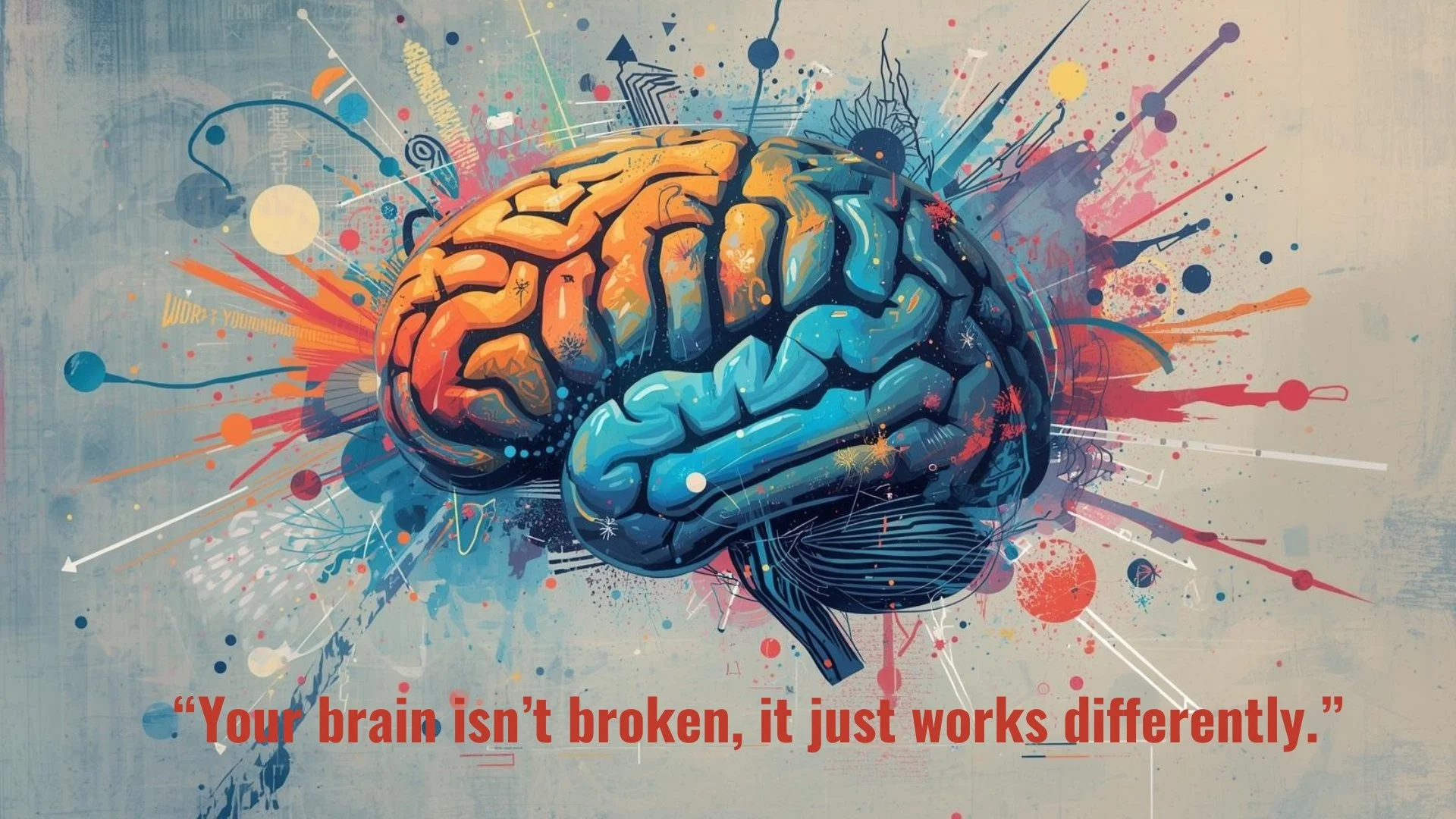
Your Brain Isn’t Broken
This might be the most important sentence in this entire series.
Your brain isn’t broken.
It operates differently.
ADHD brains tend to thrive in environments that provide stimulation, novelty, and flexibility. OCD brains are often highly analytical and detail-oriented. Traits that create challenges in one context can become strengths in another.
The goal of acceptance is not pretending the struggles don’t exist. It’s recognizing that your mind has both challenges and capabilities. And learning how to work with both.
The Strengths Hidden Inside the Struggle
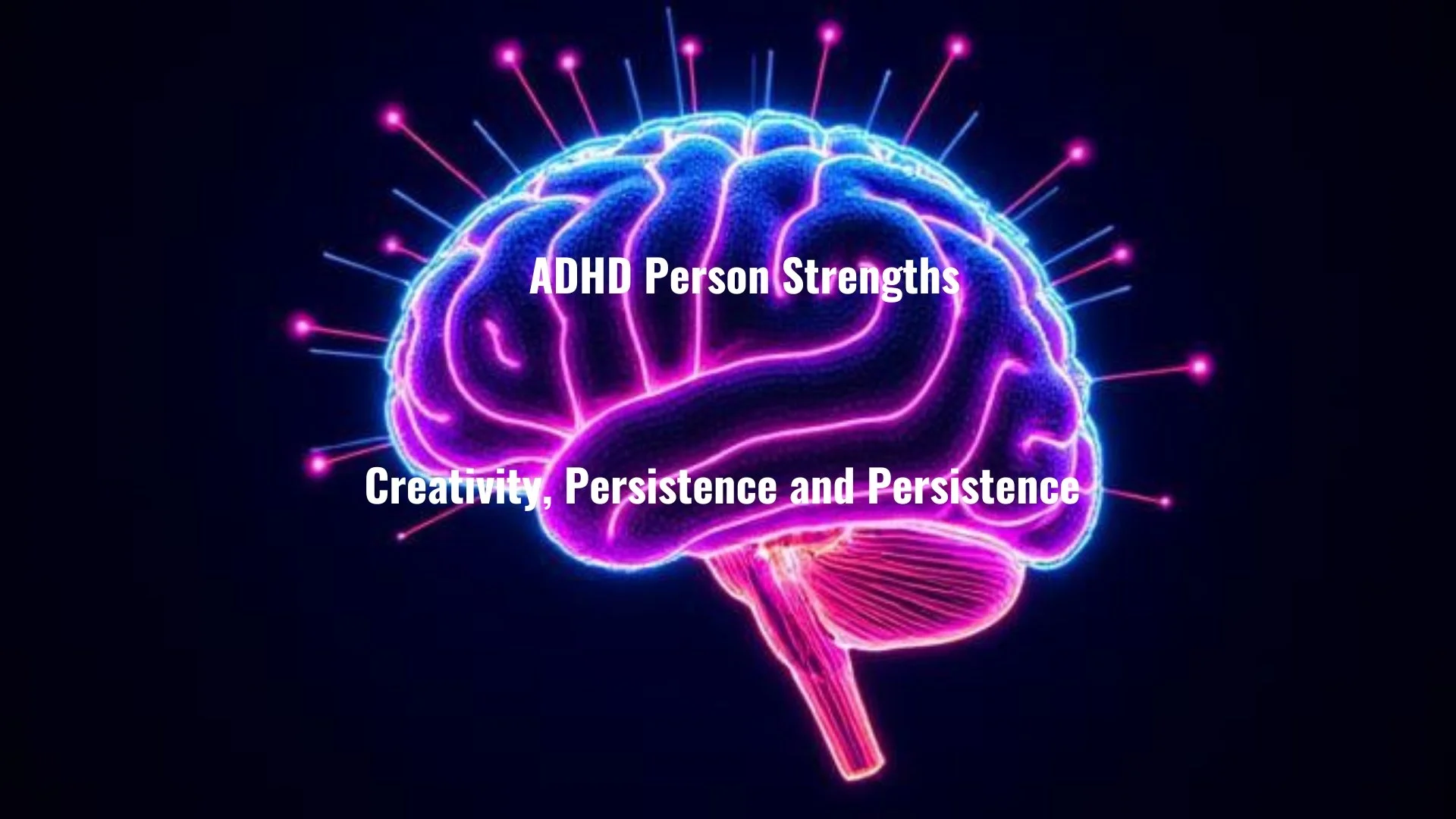
Many people with ADHD display remarkable creativity and problem-solving ability. Their minds connect ideas quickly and approach problems from unconventional angles.
People with OCD often possess strong pattern recognition and attention to detail. The same brain systems that create repetitive thinking can also support persistence and thorough analysis.
In other words, the traits that sometimes make life difficult can also make certain abilities stronger.
Acceptance allows those strengths to emerge.
Self-Compassion Isn’t Self-Pity
One of the hardest lessons for many people with ADHD or OCD is learning self-compassion. For years, they may have internalized criticism or unrealistic expectations. Acceptance means replacing those messages with something healthier.

Not perfection.
Not excuses.
Just fairness.
The same patience you would offer a friend navigating a challenge is something you deserve as well.
The Door That Acceptance Opens
Once acceptance begins to settle in, something interesting happens.
Energy that was previously spent fighting your brain can be redirected toward working with it.
That shift changes everything.
Because when understanding and acceptance come together, the final step becomes possible.
Thriving.
Sources & Recommended Reading
Centers for Disease Control and Prevention (CDC)
Adult ADHD overview
https://www.cdc.gov/adhd
National Institute of Mental Health (NIMH)
Obsessive Compulsive Disorder
https://www.nimh.nih.gov/health/topics/obsessive-compulsive-disorder-ocd
CHADD (Children and Adults with ADHD)
Evidence-based ADHD resources
https://chadd.org
Mayo Clinic
ADHD symptoms and causes
https://www.mayoclinic.org/diseases-conditions/adhd
Medical News Today
Understanding ADHD and OCD overlap
https://www.medicalnewstoday.com
Tools & Books That Help (Affiliate Recommendations)
Some readers like having deeper resources as they begin understanding their brains. These are widely respected and reader-friendly.
Driven to Distraction — Edward Hallowell, M.D.
A classic book that helped many adults recognize ADHD patterns.
The OCD Workbook — Bruce Hyman & Cherry Pedrick
A practical, step-by-step guide used by therapists and patients alike.
Atomic Habits — James Clear
Not an ADHD book specifically, but incredibly helpful for building systems when motivation fluctuates.
Guided Reflection Journals
Daily prompts can help track thought patterns, triggers, and emotional shifts.
