
ADHD Relations: Building Teamwork-thriving
Part four of a four part series The Psychology of Love
Thriving Doesn’t Mean Perfect
When people hear the word thriving, they often imagine a life where every challenge disappears. That’s not what thriving looks like. Thriving means building a life that works with your brain instead of against it.
For people with ADHD or OCD, this often involves systems rather than willpower.
Structure becomes a tool.
Support becomes an advantage.
And progress replaces perfection.
Small Systems Create Big Change
One of the most effective strategies for ADHD management is creating external systems.
Examples include:
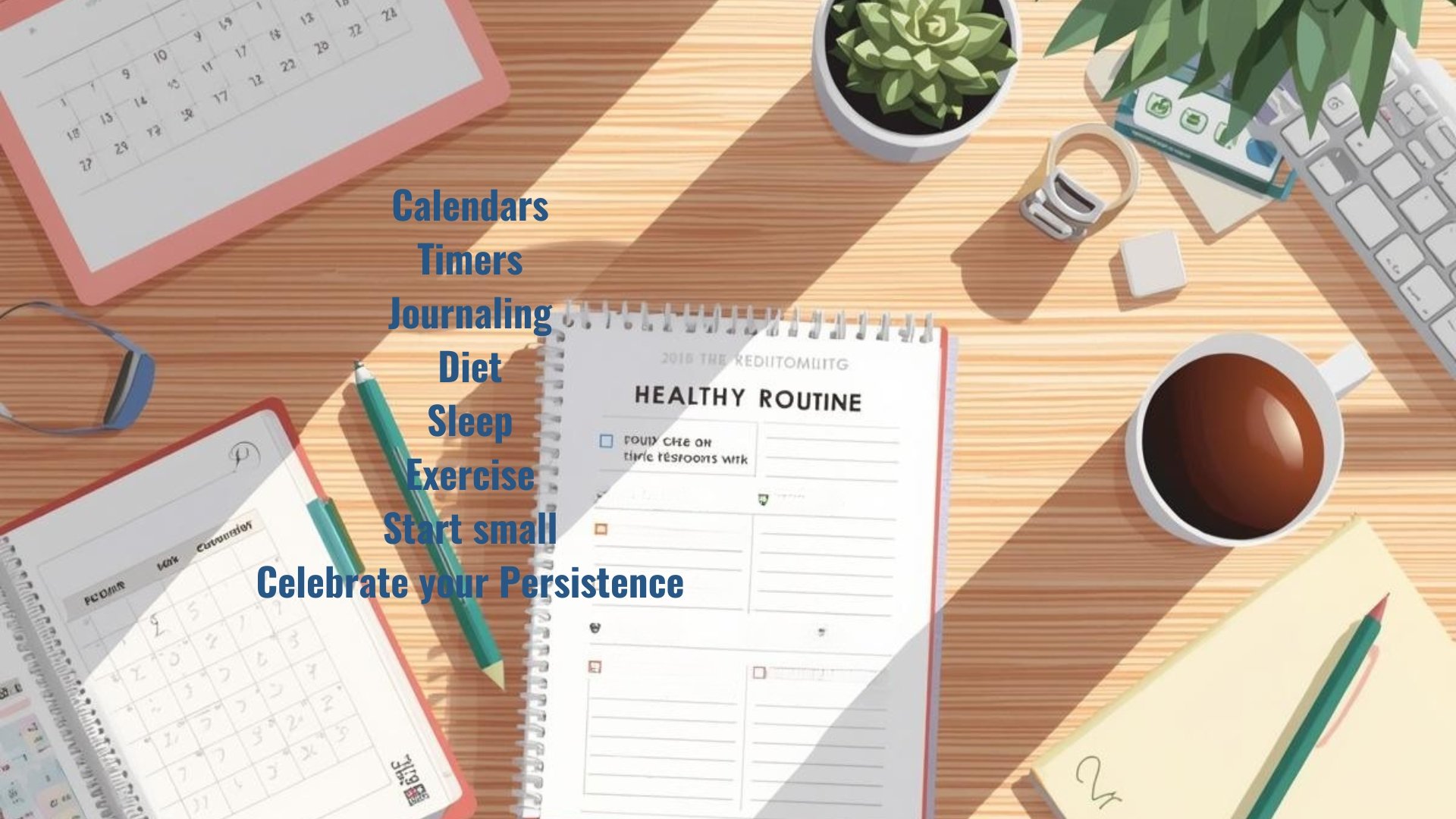
• visual reminders
• simplified routines
• breaking large tasks into smaller steps
• using calendars or digital task tools
These systems reduce the mental load on executive function. Instead of relying entirely on memory or motivation, the environment helps carry part of the responsibility.
And surprisingly small changes can create meaningful improvements.
Managing OCD With Evidence-Based Strategies
For OCD, one of the most widely recommended treatments is Exposure and Response Prevention (ERP) therapy. ERP helps individuals gradually face anxiety triggers without performing compulsive behaviors.
Over time, the brain learns that the feared outcome does not occur, reducing the intensity of obsessive thoughts.
According to the National Institute of Mental Health, many people with OCD experience significant improvement through therapy, medication, or a combination of both.
Treatment doesn’t erase the condition entirely. But it can dramatically improve quality of life.
The Power of Support

Thriving rarely happens in isolation.
Therapists, support groups, understanding partners, and trusted friends all play important roles in the process. Even reading the experiences of others can be powerful. It reminds people that their struggles are shared.
And that improvement is possible.
Connection often becomes one of the most important tools in the journey forward.
A Different Way of Measuring Success
People with ADHD or OCD often benefit from redefining success.
Instead of asking: “Did everything go perfectly today?”
Try asking: “What worked better today than yesterday?”
Progress might look like finishing one important task. Or interrupting a compulsive loop earlier than before.
Small wins accumulate. And over time, those wins create meaningful change.
The Real Meaning of Thriving
Thriving with ADHD or OCD doesn’t mean eliminating every challenge. It means understanding your mind well enough to build a life around its strengths.
That might involve creativity.
Persistence.
Curiosity.
Or the ability to see details others miss.
Your brain may take a different path than most. But different paths still lead to meaningful destinations. And sometimes they lead to surprisingly interesting places.

Series Wrap-Up: Understanding ADHD and OCD
Understanding ADHD and OCD rarely happens all at once.
For many people, it begins with a moment of recognition — a quiet realization that the struggles they carried for years might have had a neurological explanation all along.
This four-part Do Better. Be Better. series explored that journey step by step.
It begins with understanding how ADHD and OCD actually work inside the brain, and why so many adults discover these conditions later in life.
From there, we move into communication — learning how to explain attention challenges, anxiety, and intrusive thoughts to the people around us in ways that create understanding rather than misunderstanding.
Next comes acceptance, the often emotional process of letting go of years of self-criticism and recognizing that a differently wired brain is not a broken one.
And finally, we arrive at thriving — building systems, relationships, and habits that allow people to work with their brains instead of constantly fighting against them.
No single article can capture every experience with ADHD or OCD.
But understanding the patterns behind these conditions can replace confusion with clarity — and sometimes even replace frustration with compassion.
If any part of this series felt familiar, know that you are far from alone. Millions of adults are learning, sometimes later in life, that their minds were never “too scattered,” “too anxious,” or “too much.”
They were simply different.
You’re not broken.
You’re learning how your mind works — and that’s a powerful place to begin.
Sources & Recommended Reading
Centers for Disease Control and Prevention (CDC)
Adult ADHD overview
https://www.cdc.gov/adhd
National Institute of Mental Health (NIMH)
Obsessive Compulsive Disorder
https://www.nimh.nih.gov/health/topics/obsessive-compulsive-disorder-ocd
CHADD (Children and Adults with ADHD)
Evidence-based ADHD resources
https://chadd.org
Mayo Clinic
ADHD symptoms and causes
https://www.mayoclinic.org/diseases-conditions/adhd
Medical News Today
Understanding ADHD and OCD overlap
https://www.medicalnewstoday.com
Tools & Books That Help (Affiliate Recommendations)
Some readers like having deeper resources as they begin understanding their brains. These are widely respected and reader-friendly.
Driven to Distraction — Edward Hallowell, M.D.
A classic book that helped many adults recognize ADHD patterns.
The OCD Workbook — Bruce Hyman & Cherry Pedrick
A practical, step-by-step guide used by therapists and patients alike.
Atomic Habits — James Clear
Not an ADHD book specifically, but incredibly helpful for building systems when motivation fluctuates.
Guided Reflection Journals
Daily prompts can help track thought patterns, triggers, and emotional shifts.
