
Soulmates: The Origin
Part 1 of the 7 Part Series on Soulmates
How Did This Crazy Myth Get Started
Spring is coming, which means two things: my car will be coated in pollen, and at least one person will text me, “I think I finally met my soulmate.”
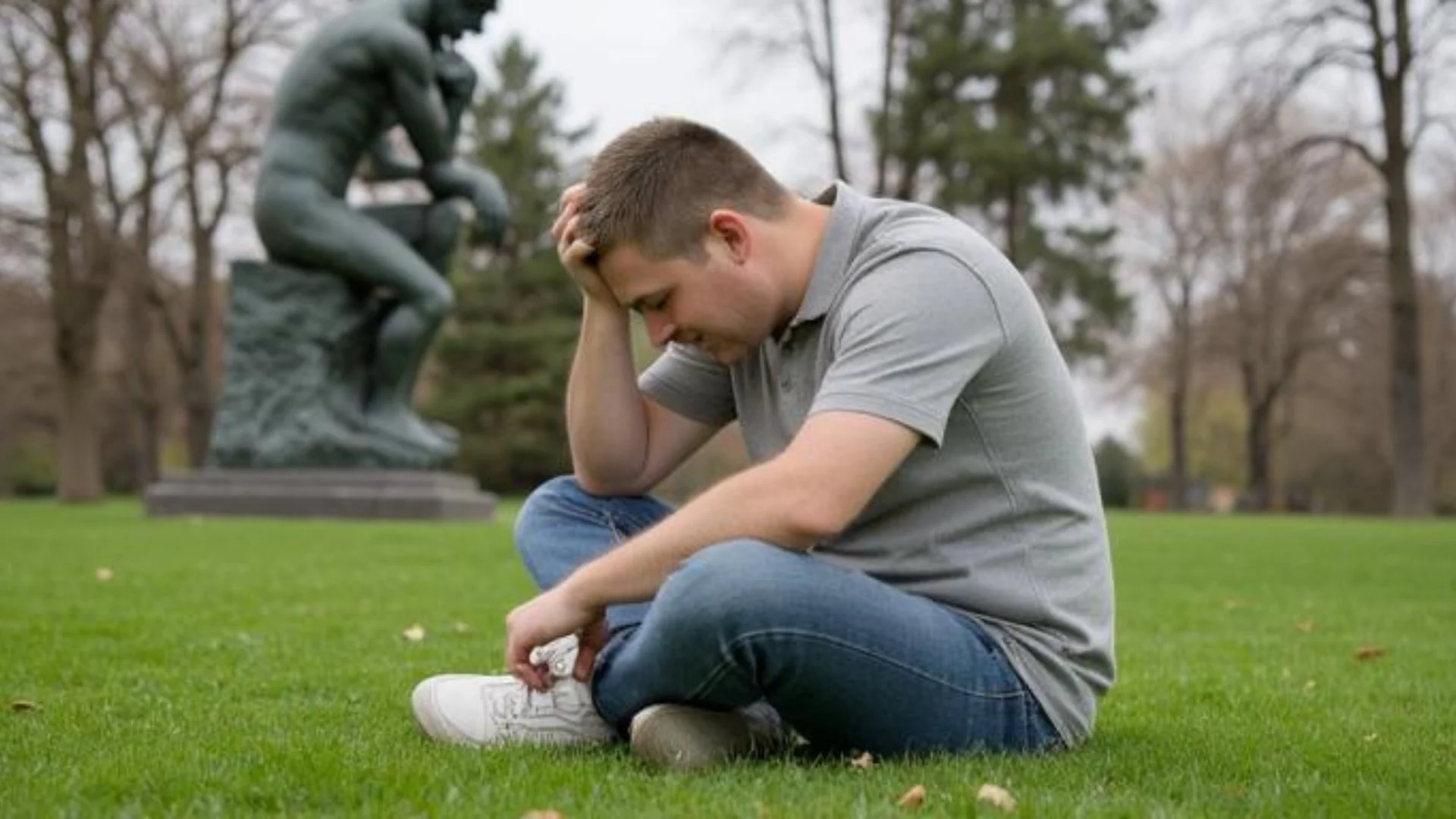
As a cynical romantic—someone who has believed in “forever” more than once, right up until the breakup settlement—I have questions. Mostly: where did this soulmate idea even come from, and why is it still running our love lives like a drunk, unpaid intern?
Welcome to Part 1 of this 7-part series: the origin story. Before we drag soulmates through psychology, movies, and swipe-right culture, we’re going back to where the fantasy began—long before dating apps, long before “you complete me,” long before your ex announced that you were “meant to be” and then apparently meant to leave.
Before “soulmates” were a thing: ancient humans and missing halves
The soulmate myth is older than the word. Long before anyone used the term, people were already telling stories that said, in one form or another: you’re not whole until you find them.
In ancient Greece, there’s a party story in Plato’s Symposium that may have done more long-term damage than half the romantic comedies ever filmed.
The comic poet Aristophanes tells this wild myth: humans used to be double creatures—four arms, four legs, two faces—rolling around like emotional bowling balls. They were powerful, so the gods (who were apparently not big fans of confident humans) sliced them in half.

Ever since, each of us wanders the earth searching for our missing other half.
Romantic, right?
Also: please imagine being literally cut in half by the gods and then being told the solution is better communication skills.
But the story planted a powerful idea: if you feel incomplete alone, it’s because your “other half” is out there somewhere. You just have to find them.
No mention of attachment styles, therapy, or whether your other half knows how to use a laundry basket.
When the heavens got involved: destiny and divine matchmaking
Other cultures added their own versions of the same basic obsession: someone—or something—up there knows who you’re meant to be with.
In Jewish tradition, there’s the idea often called bashert: a destined partner. One teaching suggests that a heavenly voice announces who you’ll marry before you’re even born. Romance becomes cosmic scheduling. Lose them, and it can feel less like a breakup and more like arguing with heaven.
In East Asian folklore, there’s the red thread of fate: an invisible thread tying you to certain people you’re meant to meet. You can move, delay, divorce, or swear off dating, but that thread is supposedly still there, tugging.
Hindu traditions give us divine pairings such as Radha and Krishna or Shiva and Parvati—cosmic partners representing balance between masculine and feminine forces, chaos and order.
It’s not Tinder, but the message feels familiar: some unions are bigger than convenience or shared taste in tacos. They’re woven into the structure of the universe.
In other words, long before emojis and dating apps, humans were already saying:
“You and I? This is bigger than us.”
Which, in my experience, is sometimes code for:
“We are about to ignore a lot of very obvious red flags.”
Medieval love, knights, and distressed damsels
Fast forward to medieval Europe, where love starts putting on armor.
Courtly love stories—knights pining for unattainable ladies—celebrated a painful, noble kind of longing. The ideal wasn’t “we built a stable relationship over time.” It was more like:
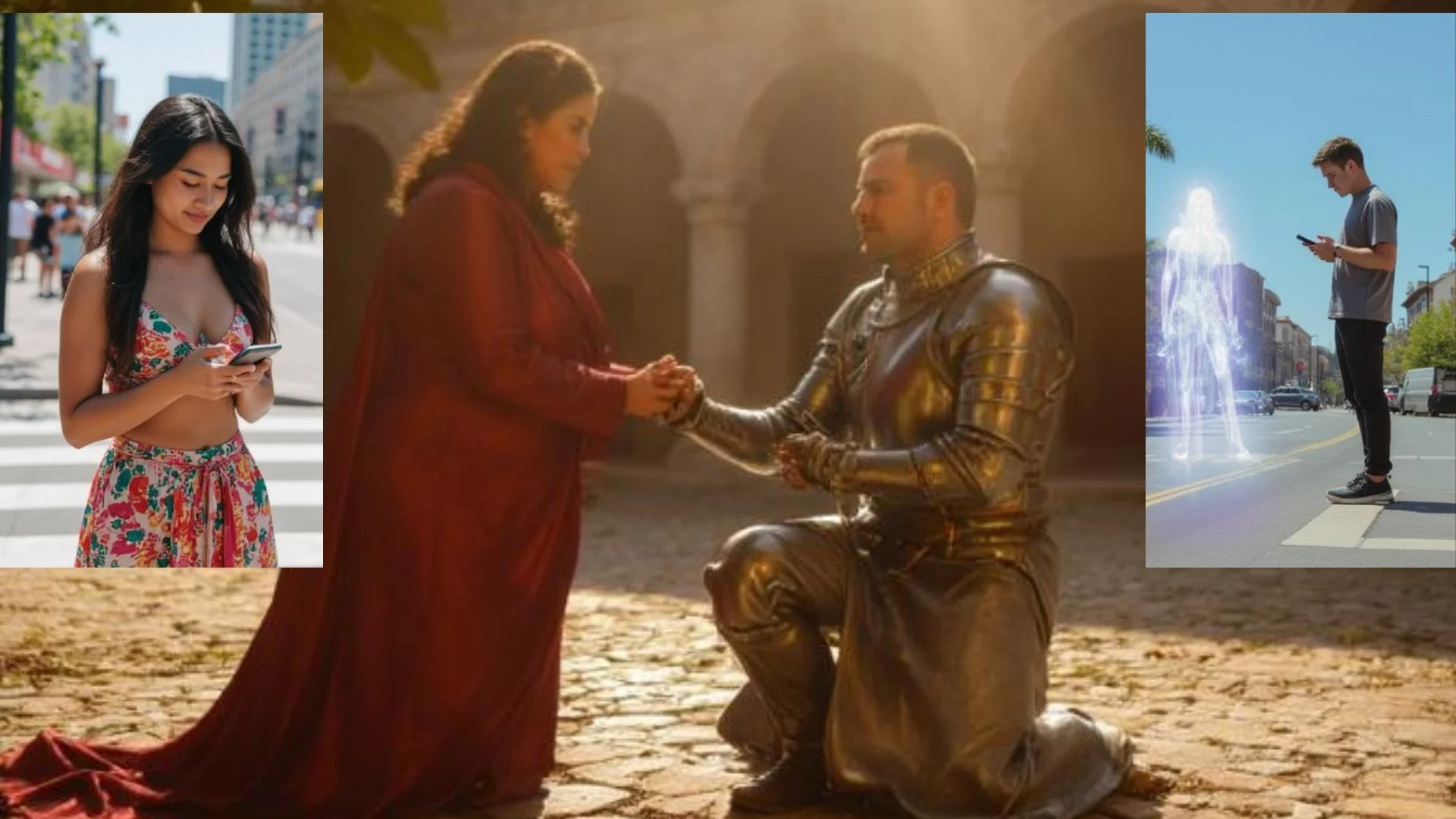
“I suffer beautifully for you while writing poetry and possibly dying.”
Take Tristan and Isolde, for example. They fall in love through a potion and are framed as doomed lovers bound by destiny. The relationship wrecks multiple lives, yet the tragedy itself becomes proof that the love was real.
This is not “healthy communication and secure attachment.”
This is closer to:
“I would rather die dramatically than have an honest conversation about expectations.”
But these stories did something important. They romanticized pain and impossibility as evidence of true love.
If it hurts enough… if it’s forbidden enough… if everyone ends up ruined enough…
well, then it must be fate.
And you can probably see how that idea still echoes quietly when someone clings to a relationship that is very obviously making them miserable.
Enter the poets: how “soulmate” learned to talk
The actual English word “soulmate” doesn’t appear until the 1800s.
That’s when romantic poets—sensitive, dramatic, frequently heartbroken—started putting language to feelings people were already addicted to.
One early use of the word describes marriage as happiest when two partners match not only in body, but in spirit. The idea moves from mythology and religion into everyday life: not just a spouse, but the spouse.
From there, literature runs wild.
Writers give us lines like:
• “Whatever our souls are made of, his and mine are the same.”
• “Love is a single soul inhabiting two bodies.”
Beautiful ideas.
Also slightly dangerous in the hands of people who have never met a boundary they liked.
Now love isn’t just about compatibility. It’s about fusion. If two people aren’t merging into one mystical emotional unit, are they even doing romance correctly?
For someone like me—a cynical romantic—it’s catnip. You read enough of that stuff when you’re young, and you’re halfway to calling three different people your soulmate before you hit your first divorce.
When the fantasy went mainstream
By the time the 20th century arrives, the idea has legs.
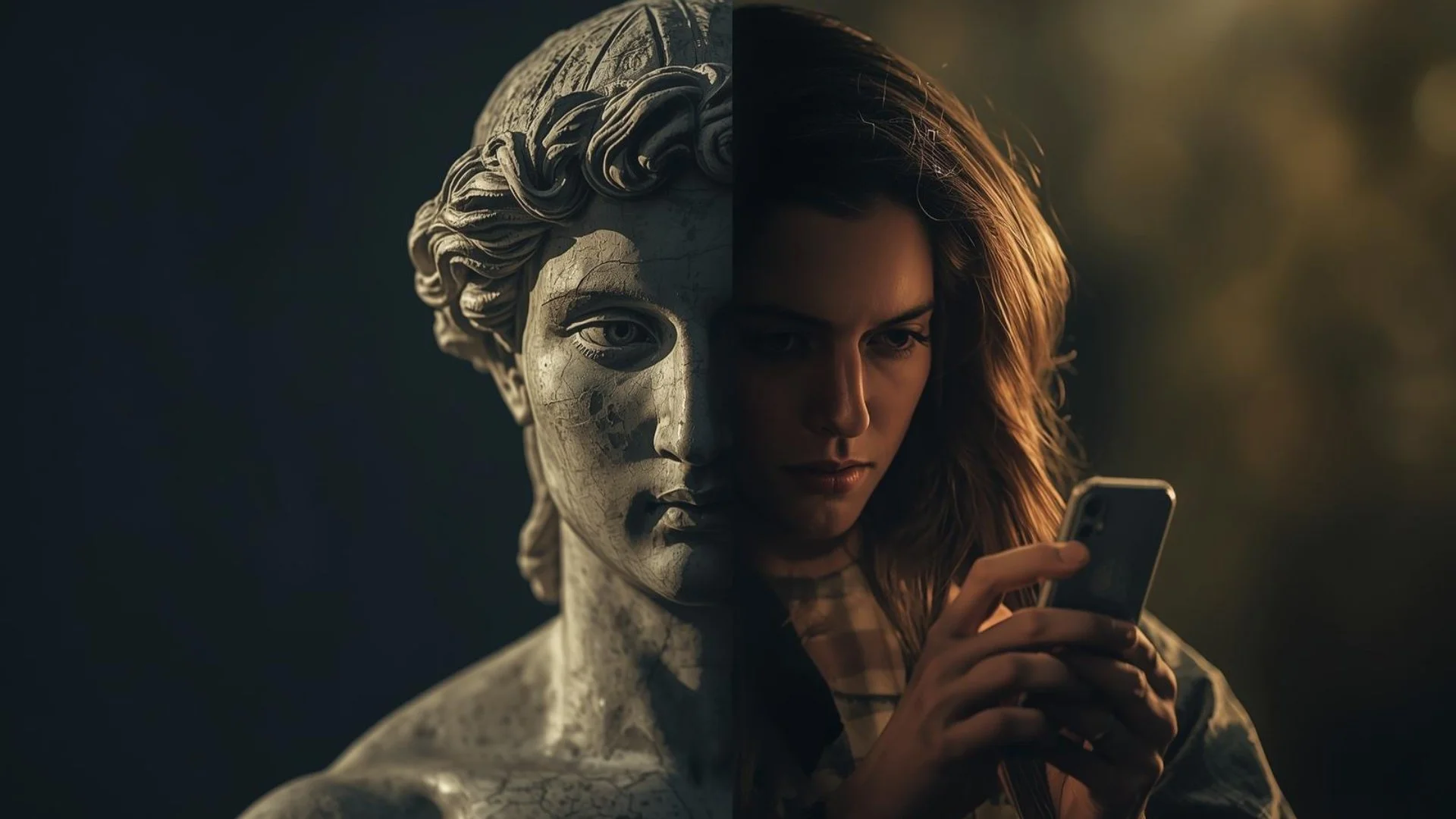
Language like “one true love,” “perfect match,” and “meant to be” spreads through novels, songs, and everyday conversation. “Soulmate” becomes the convenient label for all of it.
Then movies arrive.
Now the myth has lighting, orchestral music, and slow-motion eye contact across crowded rooms.
You don’t just read about destiny—you watch it happen.
What you don’t see are the years after the credits roll, when someone is snoring, someone is quietly resenting the laundry situation, and someone is Googling:
“how to communicate without screaming”
Once film and television get hold of the soulmate myth, it spreads globally. Local ideas—bashert, red threads, divine pairs—blend with Hollywood’s version of The One and travel everywhere.
Different cultures, same message.
Somewhere out there is the person who completes you.
And if you haven’t met them yet… keep looking.
Why we cling to the myth (even when we know better)
You’d think that after a few centuries of heartbreak, betrayal, and very public celebrity divorces, humanity might retire the soulmate myth.
We have not.
Because the story solves several painful questions at once.
Why do I feel lonely?
Because my other half is missing.
Why did that relationship feel so intense?
Because we were destined.
Why did it hurt so much when it ended?
Because I lost my soulmate.
It’s much easier to blame fate than to ask tougher questions like:
• What patterns do I repeat?
• What do I ignore when I really want someone to be “the one”?
• Why does “intense” feel more normal than “steady”?
The soulmate myth wraps our messiest feelings in a story that makes the chaos feel meaningful.
You can meet someone in a temple, on a battlefield, in a tavern, on a dating app, or in the Walmart checkout line.
Call it “meant to be,” and suddenly the chaos has a plot.
Spring fever: prime soulmate season
Which brings us back to right now.
Spring.
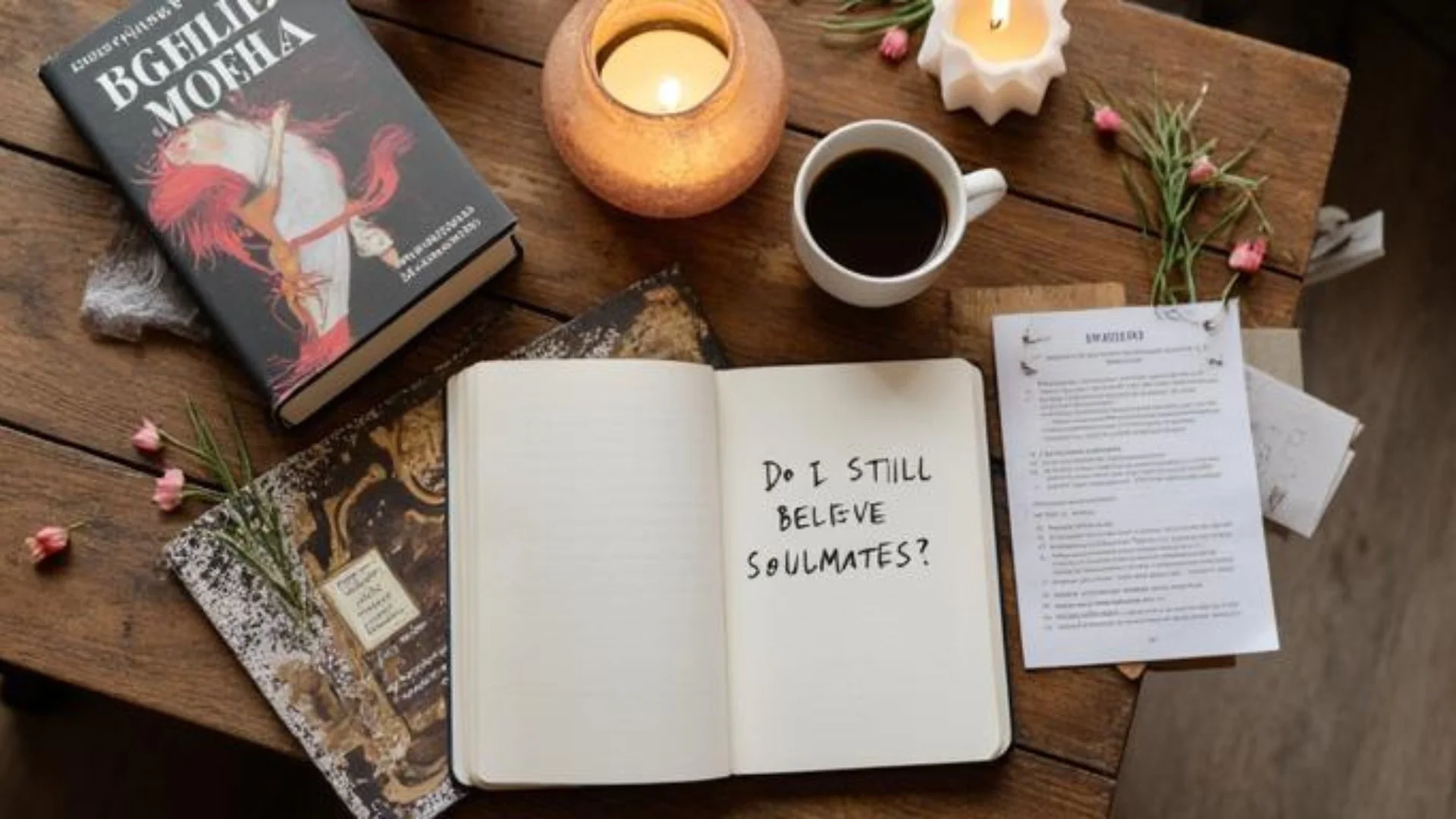
The season when everything thaws, hormones wake up, and people start sending risky texts they’ll later blame on “spring fever.”
Historically, spring has always been tied to new love: fertility rituals, May Day celebrations, knights supposedly composing poetry about unattainable ladies.
Fast-forward to today and the pattern hasn’t changed much.
The light lingers longer. Jackets come off. The barista smiles at you twice and suddenly half the population is convinced destiny has entered the coffee shop.
My personal theory?
Spring doesn’t create soulmates.
It just turns up the volume on whatever story you were already telling yourself.
If your inner script says “I’m incomplete until I find the one,” spring amplifies that.
If your script says “I want connection, but with clarity and standards,” spring can help with that too—just with fewer sonnets and more honest conversations.
Maybe the problem isn’t that we believe in soulmates.
Maybe it’s that we never stopped to ask whose version we believe in.
Plato’s.
The poets’.
The rabbis’.
Hollywood’s.
Our own.
Or some mashup we inherited without ever really choosing.
Next up in the series
As spring fever kicks in and everyone starts mistaking pollen for butterflies, remember this: the soulmate myth has been blooming for thousands of years.
But the word “soulmate” itself is surprisingly recent.
Next time, we’ll look at where that word came from, how poets and writers turned it into a romantic ideal—and how a beautiful metaphor slowly became a global expectation.
In other words, before you send that “I think you might be my soulmate” text…
you may want to know who wrote the script first
