
Triggers, Channels & Whisper Worlds
The ASMR Ecosystem (Where to Get Tangled)
(By The Cynical Romantic — Where passion meets poor judgment)
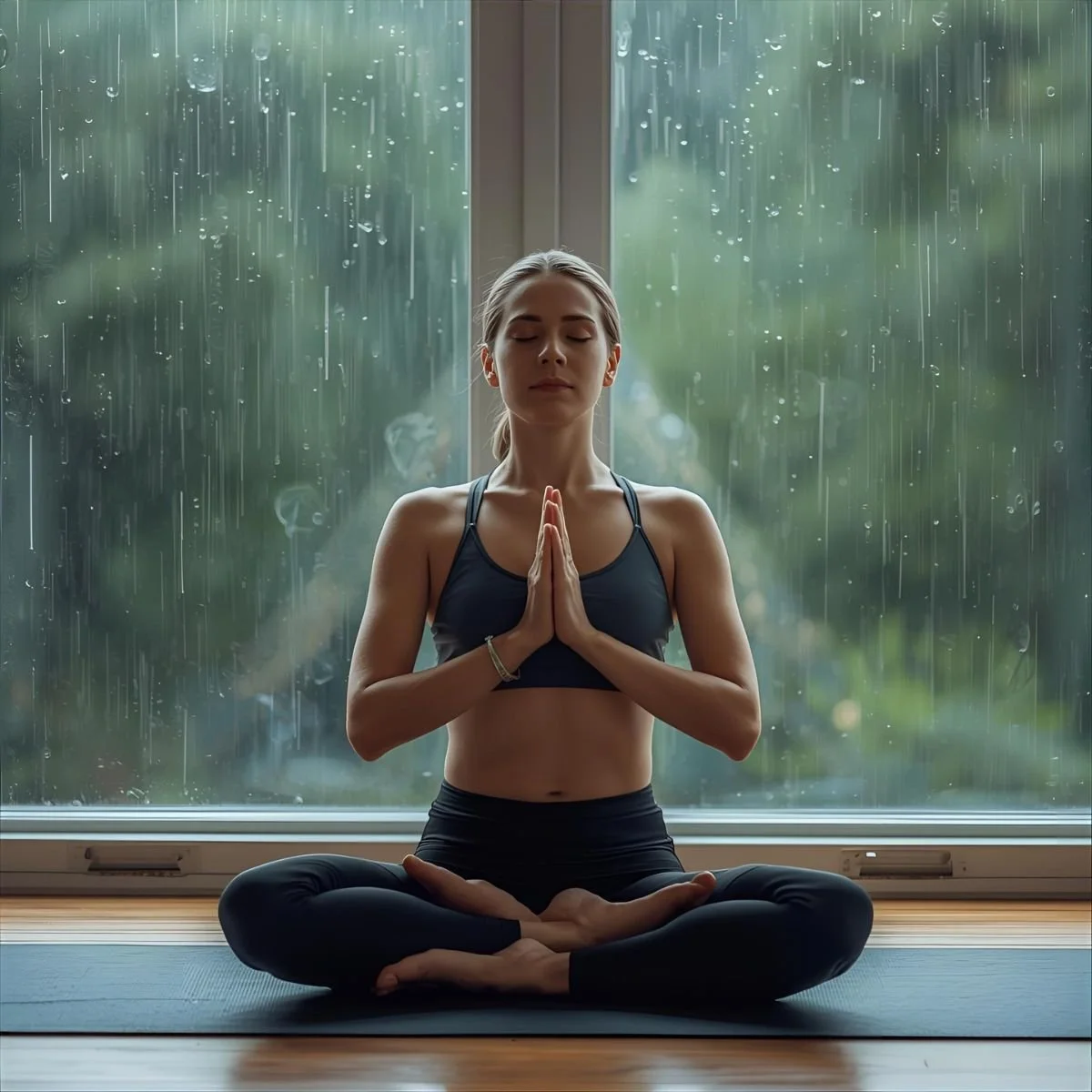
If ASMR is a language, triggers are its dialects. One person’s “ear brushing” is another’s “nails on chalkboard.” Some people chase tingles; others flee from them like bad karaoke.
But once you find your dialect — that perfect whisper, click, or rain sound — the ASMR universe opens like a sensory wormhole of calm.
Research shows only a portion of people feel the signature “tingles,” while others simply experience mild relaxation [1]. These external (and often social) triggers — whispering, soft-speaking, tapping, scratching — are among the most common [2].
Let’s map the territory: what kinds of ASMR exist, where they live, and which whisper wizards might calm your chaos (or accidentally make you question your life choices).
Trigger Taxonomy — Your Sensory Palette
ASMR triggers are as diverse as dating profiles — everyone swears theirs is “the one.” Researchers have tried to classify triggers into dozens of categories; one study even developed a 37-item ASMR Trigger Checklist [3].
Here’s the basic lineup (with my unscientific commentary for flavor):
• Whisper & Soft Speech: The classics — bedtime storytelling, breathy tones, and sentences that start sounding like lullabies halfway through [4].
• Tapping, Scratching, Brushing: The rhythmic reassurance of sound you didn’t know you needed [2].
• Roleplay / Personal Attention: Haircuts, spa days, and those “I’m your doctor, now relax” scenarios [4]. Comforting — until someone starts pretending to clean your ears through the mic.
• Page-Turning, Writing, Paper Sounds: For bookworms and note-takers — soothing papery nostalgia with zero paper cuts [3].
• Ambient / Nature / Water / Rain: Perfect for zoning out or pretending you’re the main character in a soft-focus indie film [5].
• Visual Triggers: Hand motions, brush strokes, and close-up object focus — oddly hypnotic [2].
• Combo Triggers: The “everything bagel” of ASMR — a whisper, a tap, a brush, and a sigh all layered like a sonic parfait [3].
Deep Dive: Curious about the full taxonomy? See “From touch to tingles: Assessing ASMR triggers and their individual differences” on ScienceDirect [3].
Platform & Format Matrix — Where the Whispers Live
Your triggers need a home, and the ASMR world has plenty:
• YouTube: The original kingdom of tingles — binaural mics, high-def whispers, and roleplays that blur the line between therapy and performance art [6].
• Spotify & Apple Music: Audio-only havens with playlists for sleep, study, or pretending your brain isn’t chaos at 2 a.m. [7].
• Podcasts: Whisper-only episodes for background calm — great for workdays or bedtime rituals [7].
• ASMR Apps: Curated experiences for devoted listeners (yes, there’s an app for brushing imaginary hair).
• Instagram & TikTok: Micro-ASMR bursts that fit perfectly between doom-scrolls.
Interestingly, audio-only triggers can be just as effective — sometimes more — than full video, because our brains lean on low-pitch and repetitive sound for calming rhythms [8].
Recommended Creators / Channels — The Whisper Elite
A few starting points for your “tingle safari”:
• GentleWhispering ASMR: The soothing grandmother of the genre — her voice could calm a caffeine addict mid-panic.
• Gibi ASMR: The polished pro — cinematic visuals, perfect mic work, and charming roleplays.
• ASMR Darling: A pioneer whose “sleep triggers” playlist has helped millions drift off.
• Ephemeral Rift: The mad scientist of ASMR — deep roleplays, surreal characters, and creativity that borders on performance art.
• Tingting ASMR Tingting ASMR (yes, that’s her actual name): Elegant, calm, and oddly intimate — perfect for spa vibes or slow breathing before sleep.
Don’t chase popularity. Your ideal ASMR creator might be a whispering grad student recording in their dorm closet — and that’s the magic. Not everyone experiences ASMR the same way [1]; individual preferences vary widely [5].
Your “Tasting Menu” Experiment — Discover Your Tingle Type
Treat this like a week-long sensory buffet:
• Night 1: Whisper & soft speech
• Night 2: Tapping / scratching
• Night 3: Roleplay
• Night 4: Paper sounds / page-turning
• Night 5: Ambient rain or nature
• Night 6: Visual or hand-motion triggers
• Night 7: Combo triggers
Keep a “Tingle Journal.” Rate what worked, what flopped, and what nearly drove you to mute the world. You’ll start noticing patterns — certain sounds calm you, others feel invasive. That’s your brain’s personal ASMR fingerprint [2].
Even if you never get the classic tingles, research shows ASMR content can still improve mood and relaxation levels [5].
Personal Note — The Cynical Romantic’s Whisper Confessions
My first ASMR attempt sounded like an ex whispering stock tips into a tin can. But after a few misfires, I found gold: solfeggio tones layered with soft whispers. It’s like my nervous system exhaled.
Weirdest trigger that worked? Keyboard tapping. Apparently, my brain equates productivity sounds with safety.
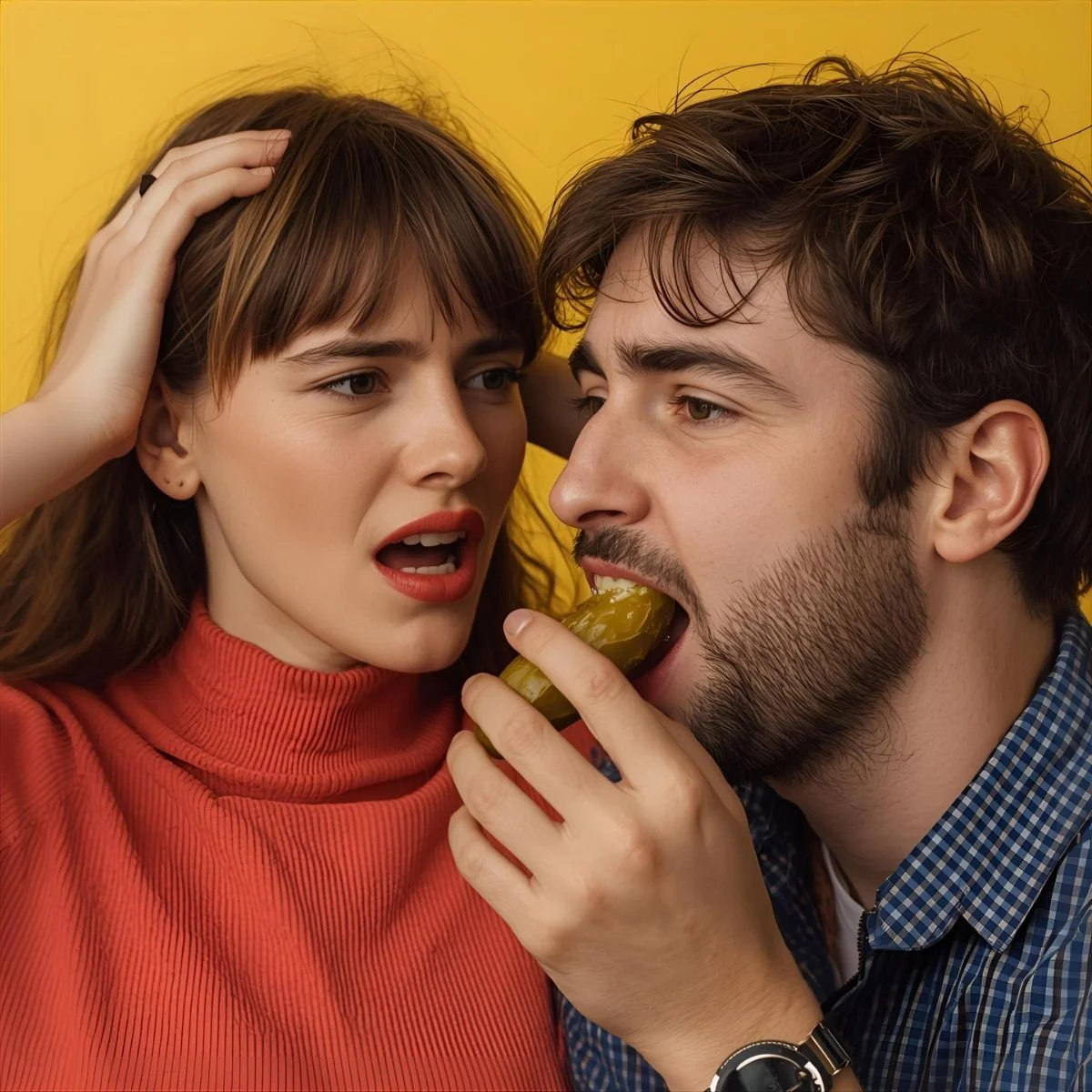
Weirdest one that failed? Mouth sounds. I lasted six seconds before deciding it felt like being trapped inside someone else’s chewing montage.
Fun fact: some studies show that ASMR responders even have distinct patterns of brain activity and structural differences in the cortex [9]. So maybe I’m not crazy — just wired creatively.
Pro tip: don’t try recording your own whispers in bed. The acoustics make it sound like you’re haunting your own apartment.
🎧 Media to Explore
• YouTube Mini Whisper Video — GentleWhispering ASMR
• Spotify “Sleep Whisper” Playlist
• Your Whisper Kit: [Custom ASMR Starter Playlist on LL&S] (insert playlist link here)
🎧 Gear & Affiliate Corner — Tingle Tools of the Trade
If you’re serious about sound:
• For Listeners: Beats Fit Pro — isolates those tiny sounds like a charm.
• For Creators: SoundProfessionals MS-TFB-2 MKII Binaural Mic — capture the whisper world in 3D perfection.
• For Explorers: Flow Induction Audio Bundle — experiment with tones, frequencies, and brainwave bliss.
Clear, high-quality audio is essential; binaural recording can heighten immersion and relaxation [8].
(Yes, those are affiliate links. Because if I can fund my caffeine habit through whispers, why not?)
Closing— Ride the Whisper Wave
So there you have it — your ASMR map, your sensory buffet, and your first date with the whispers of the internet. Maybe you found tingles. Maybe you found confusion. (I found ear-brushing that felt like mild existential dread — but hey, that’s just me.)
Next time, we’ll dive into why you might actually want to whisper — the neuroscience, ADHD, OCD, and focus angle that explains why a soft-spoken stranger on YouTube can calm your chaos — which is impressive, considering I usually run on twelve espresso shots and anxiety.
Until then: plug in those headphones, dim the lights, and remember — if nothing else, you’re helping someone else buy more coffee by listening to them pretend to braid your hair. That’s comfort in its own weird way.
Ride the whisper wave, my friends — and may your brain say “hey, we like that” instead of “mute this immediately.”
— The Cynical Romantic
Further Reading / Sources
[1] PMC — The effects of Autonomous Sensory Meridian Response (ASMR) on Mood, Stress and Sleep Qualityhttps://pmc.ncbi.nlm.nih.gov/articles/PMC9142458/
[2] Healthline — What Are ASMR Triggers?https://www.healthline.com/health/asmr-triggers
[3] ScienceDirect — From Touch to Tingles: Assessing ASMR Triggers and Their Individual Differenceshttps://www.sciencedirect.com/science/article/pii/S1053810023001216
[4] Verywell Mind — Understanding How ASMR Works https://www.verywellmind.com/what-is-asmr-4686957
[5] Frontiers in Human Neuroscience — The Relaxation Effect of Autonomous Sensory Meridian Response (ASMR)https://www.frontiersin.org/journals/human-neuroscience/articles/10.3389/fnhum.2023.1249176/full
[6] BBC Future — Inside the Strange World of ASMRhttps://www.bbc.com/future/article/20190307-asmr-the-strange-world-of-whispering-videos
[7] Verywell Health — ASMR Podcasts and Sleep Playlists https://www.verywellhealth.com/asmr-podcasts-for-sleep-5191272
[8] Oxford Academic — Auditory and Visual Influences on ASMRhttps://academic.oup.com/nc/article/2025/1/niaf012/8127084
[9] PMC — Structural Differences in the Cortex of Individuals Who Experience ASMRhttps://pmc.ncbi.nlm.nih.gov/articles/PMC9927840/
