
Still Hopeful (Annoyingly)
Surviving Skepticism and Embracing Second Chances
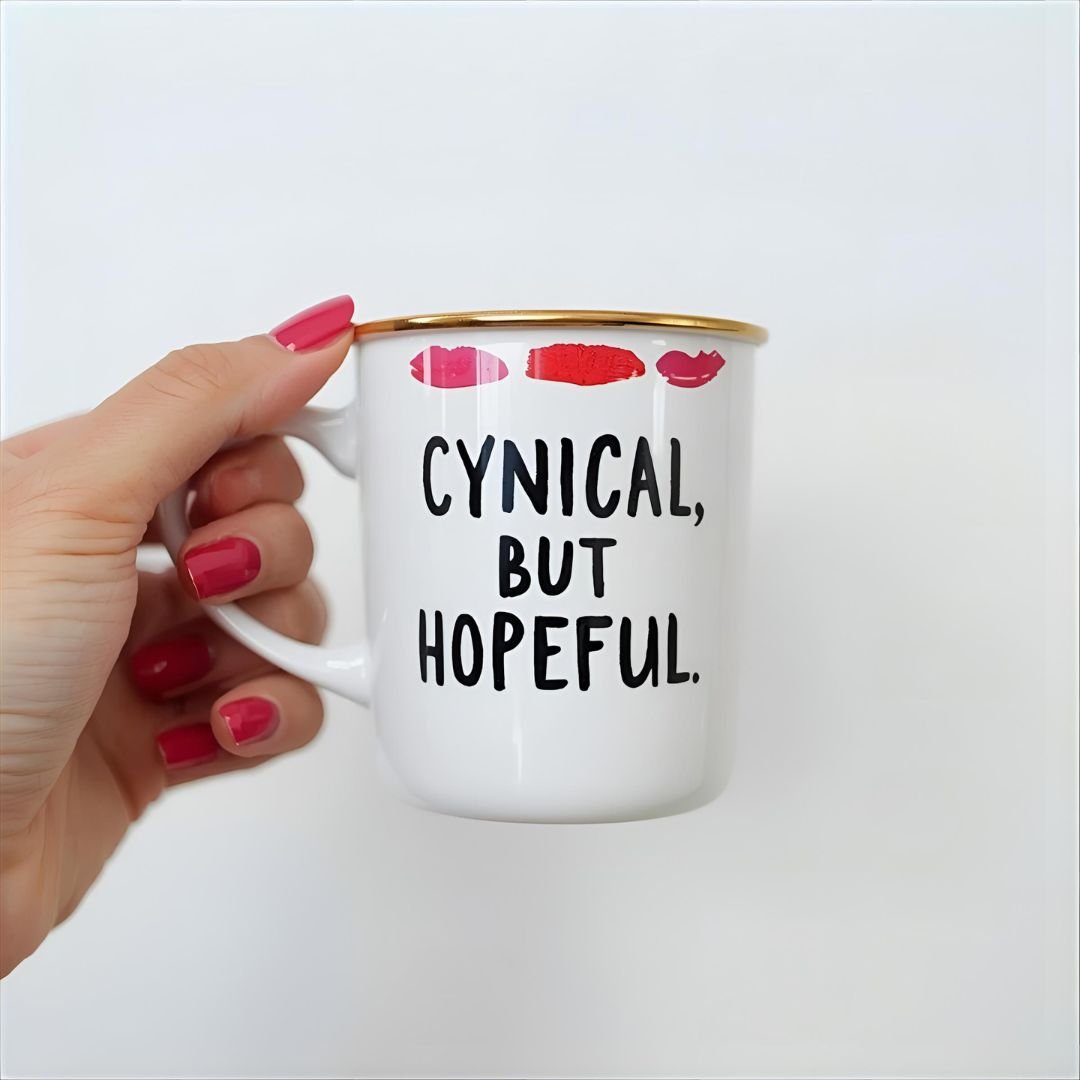
Most cynics used to be optimists.
That’s the part we don’t advertise.
We didn’t wake up one day skeptical and guarded and allergic to grand gestures. We arrived here slowly. Through trial runs. Through promises that didn’t stretch as far as they sounded. Through learning—sometimes late—that belief without discernment comes with a price.
The irony is this: cynicism isn’t the opposite of hope.
It’s what happens when hope survives contact with reality.
And somehow… survives anyway.
Psychology backs this up, which I find mildly irritating.
Hope, it turns out, isn’t naïveté. It’s resilience. A learned capacity to imagine something better without denying what’s already happened. Research consistently links hope to emotional regulation, adaptive coping, and healthier attachment repair over time [1].
In plain terms: hope doesn’t mean you forgot the past.
It means the past didn’t get the final word.
That surprised me.
Because if you’d asked me a few years ago, I would’ve sworn belief had been beaten out of me. That whatever softness I once had had been replaced with realism and low expectations and a well-organized emotional filing system labeled Don’t Do That Again.

Turns out… not entirely.
Here’s the part I don’t say out loud very often.
I’m careful because love is powerful.
Not because it’s weak. Not because it’s foolish. Because it changes things. It rearranges priorities. It softens defenses you worked hard to build. It makes you visible in ways that aren’t always comfortable.
Cynics don’t avoid love because we don’t believe in it.
We avoid it recklessly because we do.
We know what it costs when it goes wrong. And what it gives when it goes right. And how uneven that math can feel when you’ve paid the price more than once.
That awareness doesn’t kill belief.
It makes it cautious.
George Carlin once pointed out that humans are walking contradictions—we want security and excitement, intimacy and independence, truth and comfort. He wasn’t wrong. We want love, but we also want guarantees. And there aren’t any.
That’s the tension.
I still roll my eyes at big declarations. Still flinch at certainty spoken too quickly. Still hesitate when something feels too good without enough context. Those habits didn’t disappear.
But underneath them—annoyingly—belief remains.
Not loud.
Not reckless.
Just… present.
The truth I’ve been circling for weeks is this: belief didn’t die. It matured.

It learned boundaries. Learned compatibility. Learned to value presence over performance. Learned that safety and hope aren’t opposites—they’re collaborators.
I don’t believe the way I used to. I don’t fall the way I used to. I don’t romanticize chaos anymore.
But I also didn’t harden into someone who expects nothing.
Which feels inconvenient, honestly.
Because hope, once it’s tempered, doesn’t announce itself. It just waits. Patient. Persistent. Quietly annoying in its refusal to leave.
I can’t claim this is the end of my love story. It’s not.
There are still mistakes tallied up, familiar patterns that make me cringe, and choices I look back on with skepticism—some that deserve a thorough examination.
Which leads me to what’s ahead.
I want to be straightforward about the damage, the decisions, and the questionable calls I’ve made—the ones that forced me to learn in the first place. And perhaps, just perhaps, find a partner worthy of a Valentine's Day romance.
