
The Yellow Brick Road Gets Shorter as We Age
Love, Regret, and Real Connection
Part 3. The Scarecrow and the Love Lessons We Refused to Learn
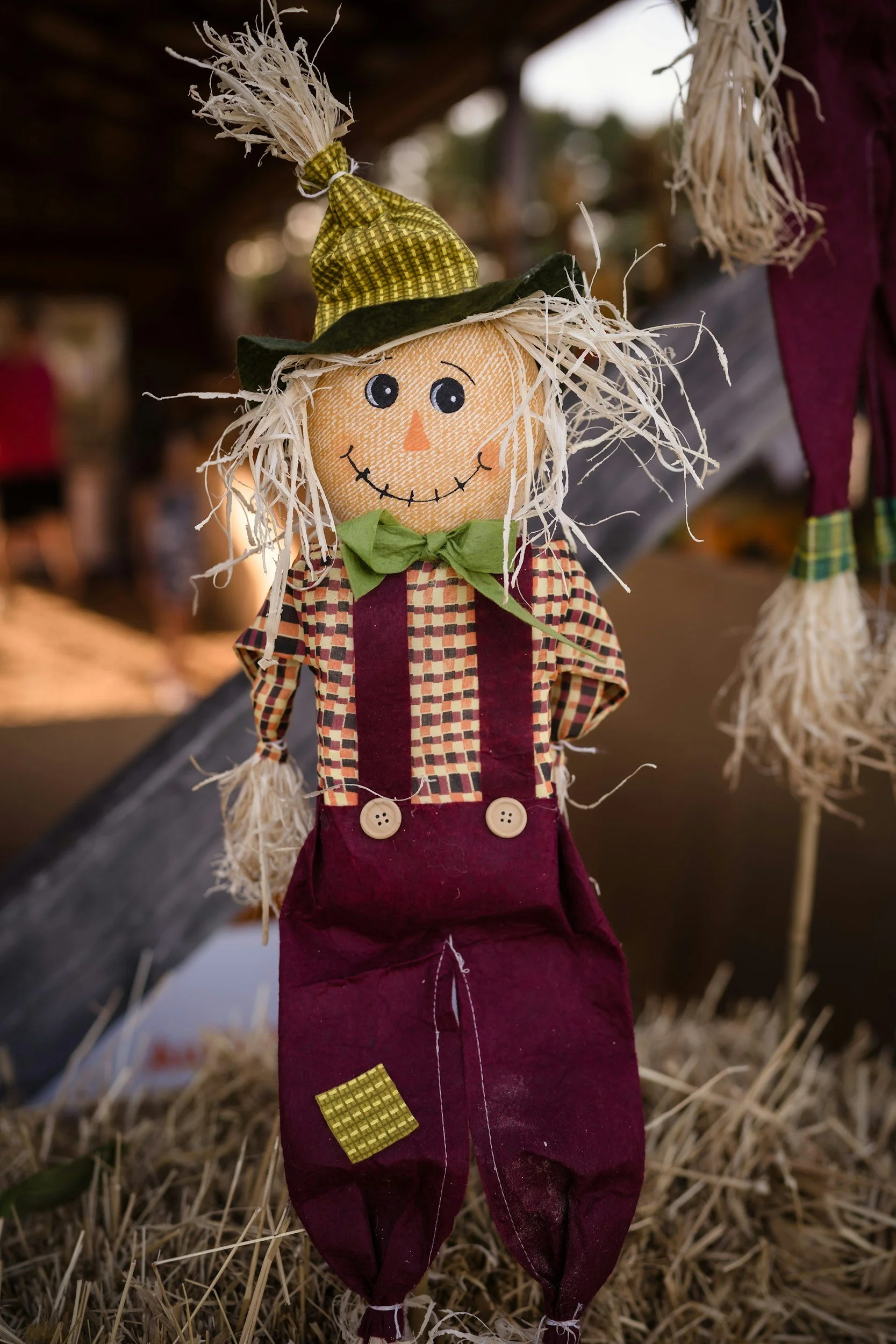
The Scarecrow wanted a brain.
I wanted a relationship history that did not require footnotes.
Unfortunately, life is not always generous with either.
There comes a point on the Yellow Brick Road when youth’s glitter starts to look suspiciously like evidence. You begin to notice patterns. Not because you are wise, necessarily, but because even denial gets tired when forced to carry the same suitcase through multiple relationships.
The Scarecrow is usually treated as the sweet, foolish one. He thinks he has no brain, even though he keeps proving otherwise. That is the part that interests me. Not the absence of intelligence, but the failure to recognize it.
Most of us have had more wisdom than we used.
That is the uncomfortable truth.
We like to imagine our romantic mistakes happened because we did not know better. Sometimes that is true. Sometimes we were young, inexperienced, lonely, flattered, scared, or under the influence of someone with dimples and poor follow-through.
But sometimes we knew.
We knew and negotiated.
We knew and explained it away.
We knew and decided knowing was inconvenient.
There is a special kind of embarrassment that arrives when you look back and realize the red flags were not hidden. They were not even subtle. They were standing there in full costume, waving, possibly holding snacks.
And still we said, “Maybe I’m being too critical.”
No, friend. You were being briefly conscious.
Then chemistry tackled you.
This is why the brain matters in love.
Not because romance should become a spreadsheet. No one wants to be kissed by someone who has just completed a risk assessment matrix. Love needs wonder. It needs foolishness. It needs the strange little leap that makes two people choose each other without a notarized guarantee.
But the brain is not the enemy of romance.
The brain is the part of us that remembers where the trapdoor was last time.
It is pattern recognition. It is the quiet voice that says, “This feels familiar, and not in the charming way.” It is the friend inside us who notices when someone’s apology has no behavior attached. It is the part that understands the difference between being patient and becoming a volunteer hostage.
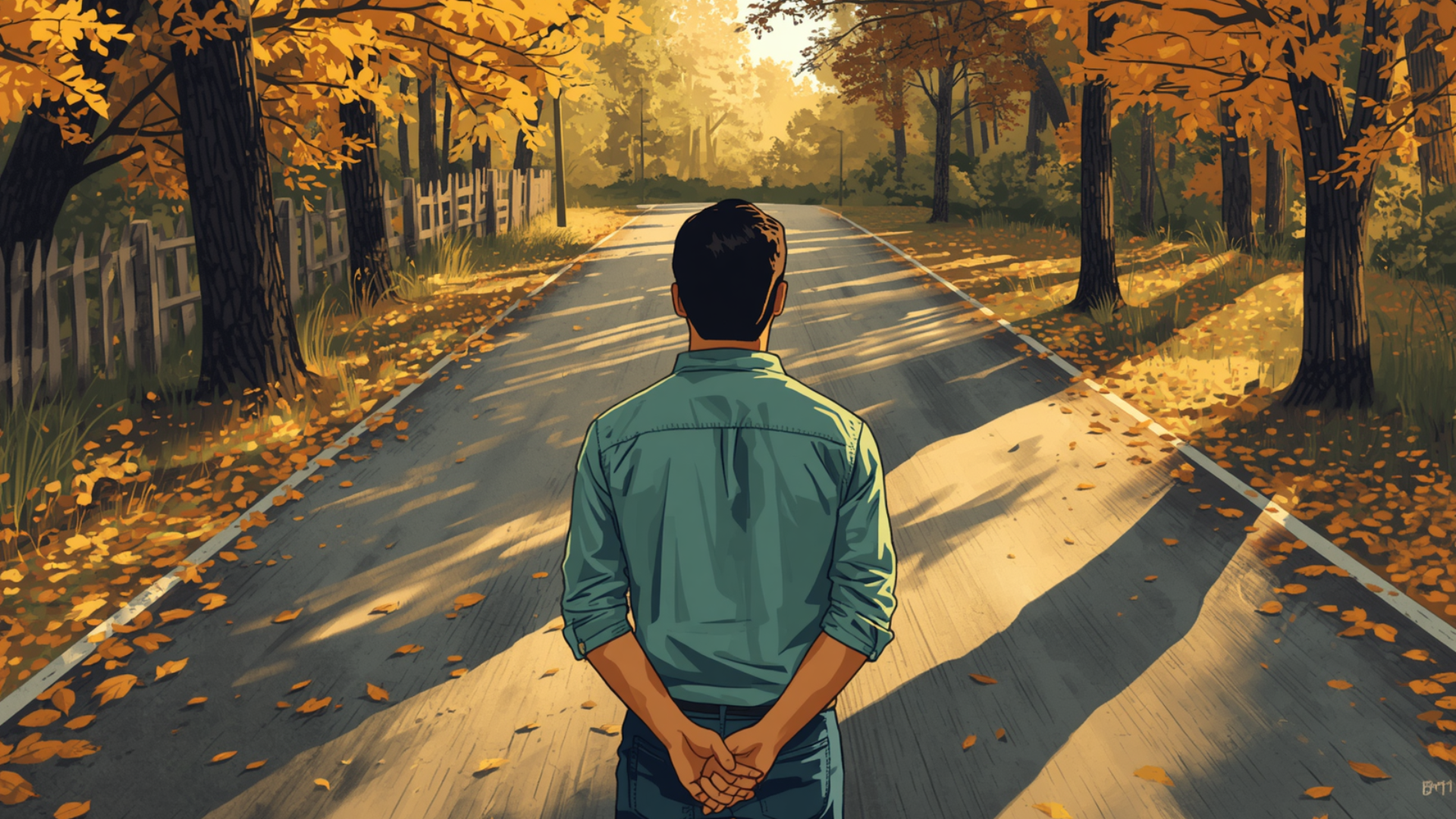
You would think this voice would be easy to obey.
It is not.
The brain speaks in complete sentences. Attraction uses fireworks.
Guess who gets more attention.
Many of us have an Auntie Em voice somewhere in our lives. Maybe it belongs to an actual aunt. Maybe a mother, father, friend, sister, brother, therapist, exasperated coworker, or the one brutally honest person who loves us enough to risk being temporarily hated.
That voice says things like:
“Are you sure?”
“Do they make you feel peaceful or just excited?”
“You seem smaller around this person.”
“You keep making excuses for them.”
“I know you like them, but liking someone is not a legal defense.”
Naturally, we respond with dignity and maturity.
We ignore them.
Then, months or years later, after the situation has collapsed in precisely the way Auntie Em gently suggested it might, we say, “I guess I should have listened.”
This sentence has powered half of adulthood. At least mine.
But listening is hard when the lesson threatens the fantasy.
If I admit this person is unavailable, then I have to stop pretending my patience will transform them. If I admit I am repeating a pattern, then I have to stop calling it bad luck. If I admit I like the chase more than the intimacy, then I have to ask what part of me feels safer wanting someone at a distance.
The brain asks terrible questions.
Useful, but terrible.
One of the most painful parts of growing older is realizing how many times the lesson arrived before the loss.
We saw the inconsistency. We felt the emotional distance. We noticed the contempt disguised as teasing. We heard the values mismatch. We sensed that the relationship required us to become less honest in order to keep it alive.
And still, we tried.
I do not say this with judgment.
I have tried. Good grief, I have tried. I have treated potential like a retirement plan. I have mistaken someone’s damaged tenderness for destiny. I have heard one sincere sentence and built a guest room for it in my imagination.
Once, not long after the fireworks had done their very persuasive work, she looked at me from the passenger seat and said, just above a whisper, “You are my soulmate.” We were still adjusting the front seats back to a drivable position, which should have encouraged at least a modest pause before declaring destiny. Instead, I felt the sentence land straight in my heart. My brain, to its credit, tried to take one responsible step backward. I ignored it and answered with the kind of confidence only a man actively avoiding wisdom can summon: “I feel like we were destined to be together. Isn’t love strange?”
It was not love being strange. It was a stranger borrowing love’s vocabulary. My twin sister seemed to know this immediately. “That was fast,” she said. Then, because family exists partly to interrupt your bad decisions before they become expensive, she added, “She doesn’t seem like your type.” She may have also mentioned a mean sarcastic streak. Naturally, I had arguments prepared. Counterpoints. A closing statement. I had been practicing romantic self-defense since the bandstand incident, and apparently I had learned very little except how to object with confidence.

This is what hope does when unsupervised.
Hope is beautiful. Hope is necessary. Hope is also the reason many of us have stayed too long at emotional bus stops where no one was driving.
The Scarecrow part of the road is where we begin to understand that love requires both hope and discernment.
Hope says, “Maybe.”
Discernment says, “Based on what?”
This is not cynicism.
Cynicism says nothing good can happen.
Discernment says good things happen more often when we stop volunteering for predictable harm.
There is a difference.
The Cynical Romantic lives in that difference. I am not against love. I'm against handing love a fake ID and letting it into the bar.
The older we get, the more expensive it becomes to ignore what we know.
At twenty, a bad romantic pattern may feel like drama. At forty-two, it feels like tax fraud committed against your own nervous system. At sixty, seventy, or beyond, it may feel like time theft.
That sounds harsh, but it can also be freeing.
Because once we stop pretending not to know, we can choose differently.
We can notice the person who is kind without needing applause. We can value steadiness before it has to compete with spectacle. We can admit that chemistry without character is just a beautiful fire hazard. We can stop auditioning for love that keeps changing the script.
The brain does not kill romance.
It protects romance from counterfeits.
There is still room for mystery. There is still room for attraction, laughter, surprise, and the delightful inconvenience of wanting someone more than planned. But there must also be room for questions.
Do I feel safe being honest?
Are their words and actions close enough to live in the same zip code?
Do I like who I become around them?
Am I drawn to this person, or to the old wound they know how to press?
Can I tell the difference between peace and boredom?
These are not unromantic questions. They are road signs.
The younger version of us might have skipped past them. Munchkinland was loud. The music was playing. Everyone was waving us forward. Besides, we wanted the story to begin. And I have to admit that some part of my older self still wants it.
But the road gets shorter as we age.
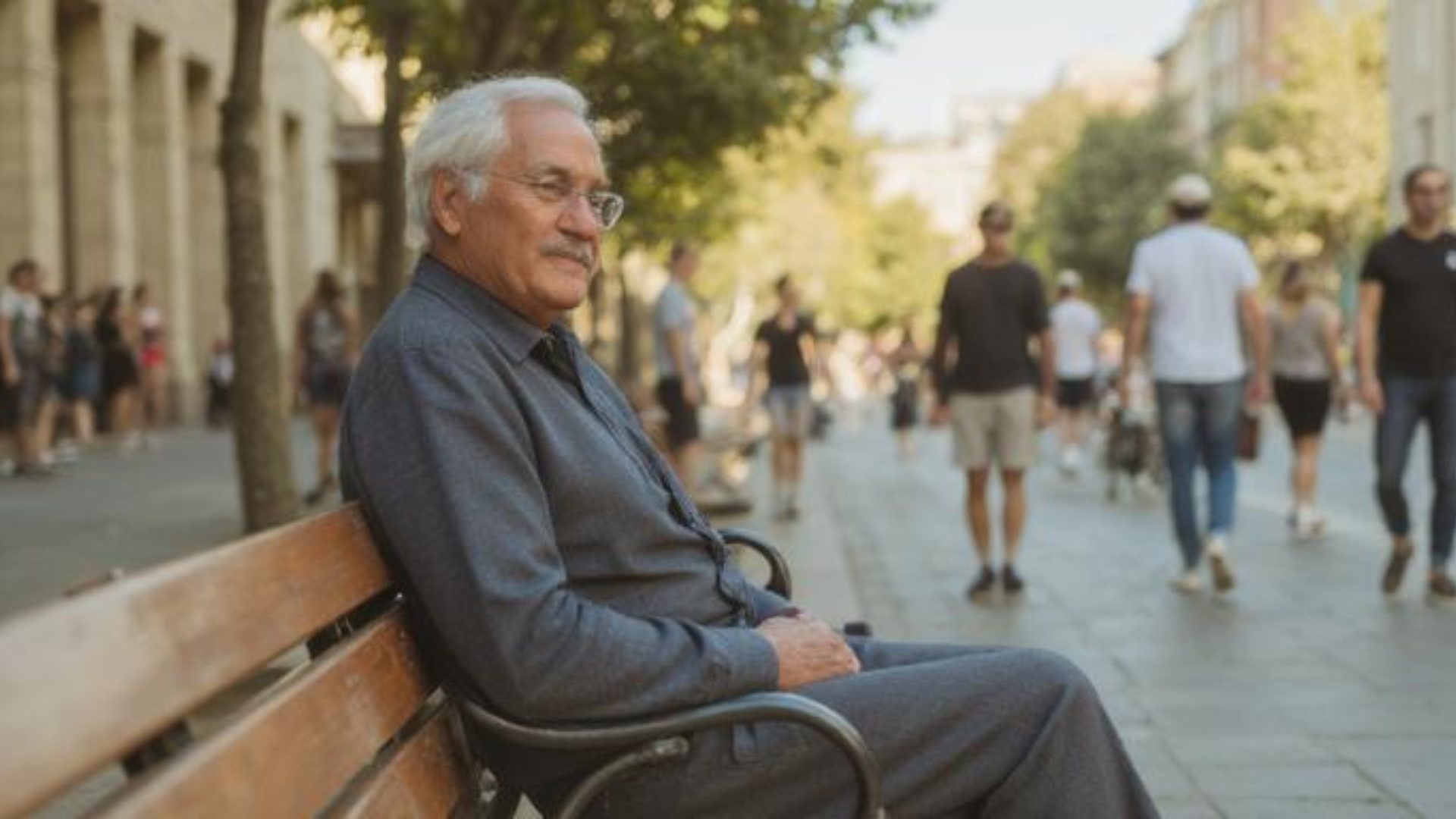
At some point, we become less interested in beginnings that require us to betray the ending we already know is coming.
This is the gift of the Scarecrow.
He reminds us that wisdom is not always something we lack. Sometimes it is something we already have but have been too enchanted, lonely, stubborn, or hopeful to use.
The brain was there.
The pattern was there.
The friend was there.
The inner Auntie Em was practically throwing cookware.
Maybe love did not fail because we were foolish.
Maybe love failed because we were learning, slowly and expensively, that the heart needs a brain beside it on the road.
Not in front, blocking every risk.
Not behind, cleaning up every disaster.
Beside it.
Walking.
Watching.
Whispering, when necessary:
“We have seen this house before.”
The Cynical Romantic’s Road Note
The brain does not ruin romance. It keeps romance from mugging you in an alley and calling it chemistry.
Question for the Reader
What lesson did love try to teach you more than once?
Next Tuesday
Next week, we meet the Tin Man and talk about the oil can: the small, unglamorous maintenance that keeps a heart from rusting shut.
